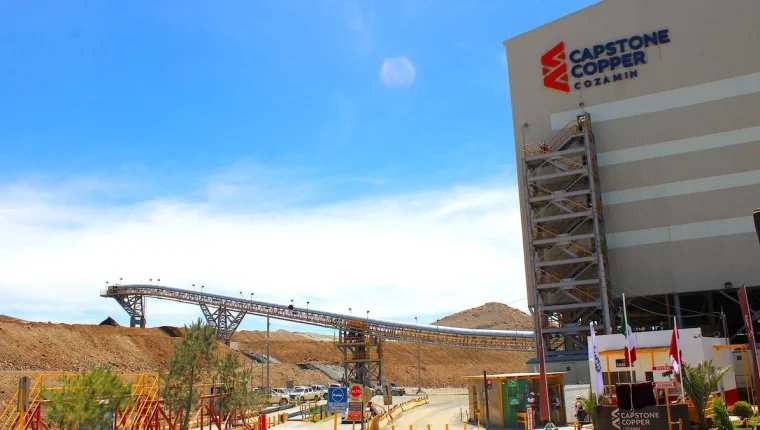

Freeport-McMoRan reported second-quarter net income of $984 million, or 68 cents a share, up from $772 million and 53 cents a year earlier. Excluding Grasberg repair costs and other one-time items, the world's largest publicly traded copper producer earned 74 cents a share, above the 59-cent market estimate.
The principal support was copper pricing. Freeport's average realized price rose 41.5% from the prior year as supply concerns and resilient Chinese demand tightened the market. The increase allowed the company to absorb a sharp production decline without surrendering the earnings comparison.
Volumes moved in the opposite direction. Copper production fell 18.2% to 786 million pounds and gold output declined 39.4% to 192,000 ounces, reflecting the disruption at Indonesia's Grasberg complex. The shortfall matters beyond one company because copper is used across motors, computers, batteries and electrical wiring.
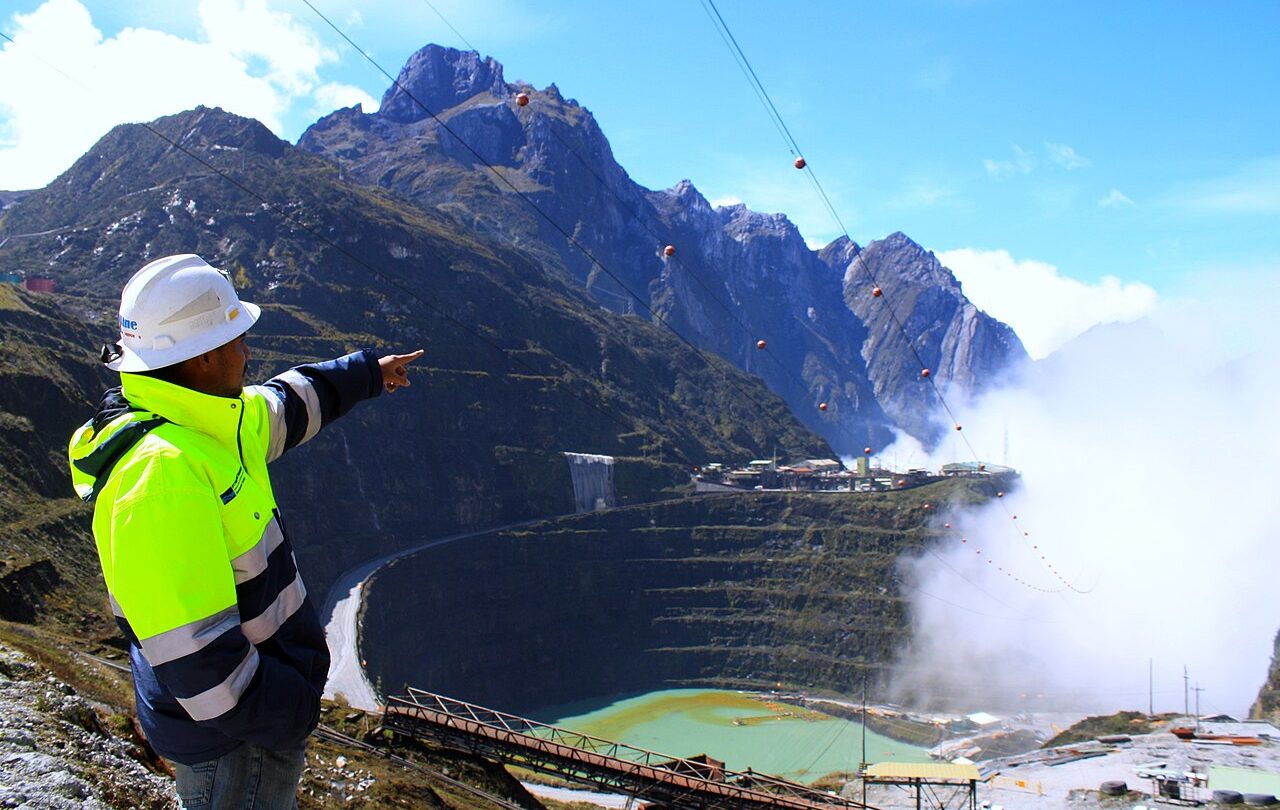
A September 2025 mud flow killed seven workers and halted Grasberg for nearly a month. The site is the world's second-largest copper mine and largest gold mine; it is majority-owned by the Indonesian government and operated by Freeport. Repairs cost about $363 million in the quarter, making Grasberg the central operational constraint on earnings.
CEO Kathleen Quirk, who visited the mine with chairman Richard Adkerson in June, said the ramp-up remained on schedule and reiterated reopening by year-end. Freeport also formally requested an extension of its Grasberg operating permit beyond 2041 and wants a decision before the end of 2026, linking the recovery plan to its long-term tenure in Indonesia.
Shares fell 2.3% in morning trading, broadly matching the market. The reaction showed that stronger prices and an earnings beat did not eliminate concern over the timing, cost and production profile of the repair program: investors still need evidence that physical output can recover as management expects.
A possible U.S. tariff on refined copper remains another earnings variable. Metal inventories have moved into U.S. warehouses in anticipation of a decision, but Freeport had received no guidance from the Trump administration. A tariff covering concentrates or other copper products sold by the company would increase its earnings.
The immediate tests are now distinct and measurable: restarting Grasberg by year-end, securing a decision on the post-2041 permit and learning the scope of any U.S. copper tariff. Until those issues are resolved, price strength is compensating for operational and policy uncertainty rather than eliminating it.