
European liquefied natural gas prices rose above $22 per million British thermal units on August 25, their highest level since January 2023. The benchmark move reflects mounting concern that Europe will enter winter with insufficient gas inventories.
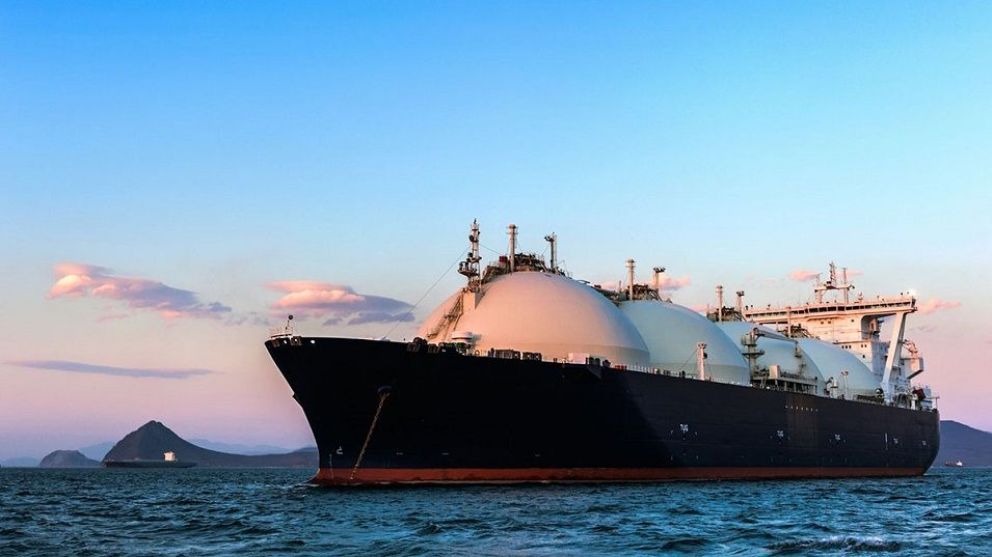
The central supply risk is the disruption of shipping through the Strait of Hormuz, which normally carries about one-fifth of global LNG. Only eight loaded LNG carriers exited the waterway in July, compared with a normal pace of roughly three a day.
Iranian threats to penalize or seize vessels have further weakened confidence among shipowners and traders. Qatar is the largest LNG supplier exposed to the route, so restrictions in the strait quickly affect the volume available to both Europe and Asia.
Europe began the refill season with depleted inventories after heavy winter withdrawals. European Union storage was below 63% in late August, compared with a seasonal norm near 80%, leaving less time and flexibility before heating demand accelerates.
Restocking has also slowed. Average injections in August were around 3 terawatt-hours a day, down from 3.6 TWh a day a year earlier, as high spot prices and strong cooling demand made it less attractive to buy gas for storage.
The squeeze is global rather than purely European. The Platts JKM benchmark for cargoes delivered to north-east Asia reached $24.08 per MMBtu, forcing European utilities to compete with Asian buyers for flexible shipments from the United States and other producers.
Germany is particularly exposed, with its storage sites only about 50% full. National rules require government action if private companies fail to meet mandated filling levels, making the pace of purchases a potential policy as well as market issue.
Analysts caution that substantially higher European prices may be needed to displace enough Asian demand, possibly above €100 per megawatt-hour under a severe scenario. That is a forecast, not an established outcome, but the combination of constrained Gulf flows and thin storage leaves the market vulnerable to further spikes.