
Trump leans on voluntary AI safeguards as public concern grows
Six technology companies pledged internal controls and outside audits, but the White House accord states no penalties, deadlines or independent enforcement mechanism.
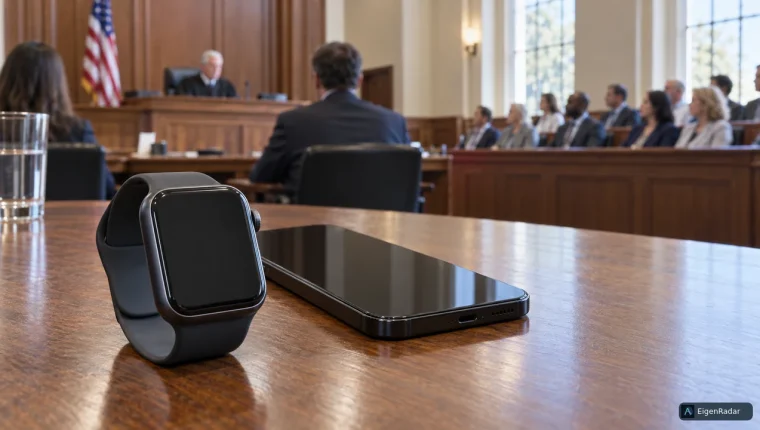
A San Diego jury found that haptic feedback in iPhones and Apple Watches infringed two Taction patents and awarded more than $5.7 billion; Apple denies infringement and plans to appeal.
New tariffs are redirecting production and trade, giving some Canadian exporters a relative U.S.-market advantage while raising costs and uncertainty across the economy.
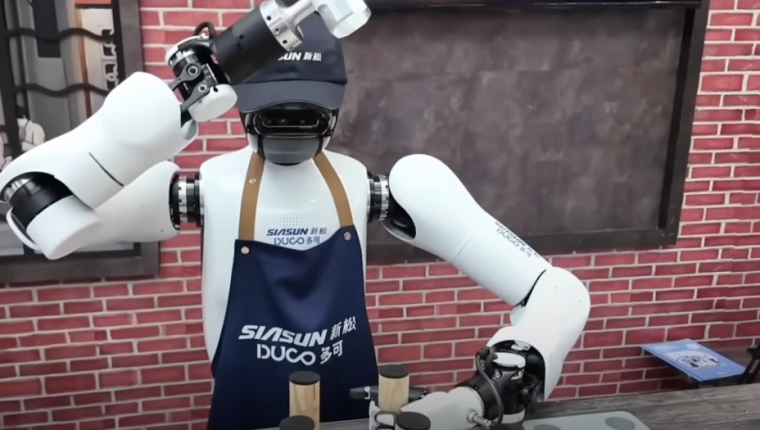
Chinese regulators are informally slowing humanoid-robot listings after Unitree’s volatile debut, while testing whether state-backed revenue reflects independent demand.
Fraudulent requests sent from a legitimate government-agency email domain led Revolut to disclose identity and contact information, while its systems and customer funds remained unaffected.
KEDEN and Smart Cargo could reduce border friction along the Middle Corridor, but rail-gauge changes, Caspian crossings and regional rules remain decisive.
New Cuban measures widen hiring, partnership, trade and tourism options, while permits, restricted products and operating constraints continue to limit automatic entry.
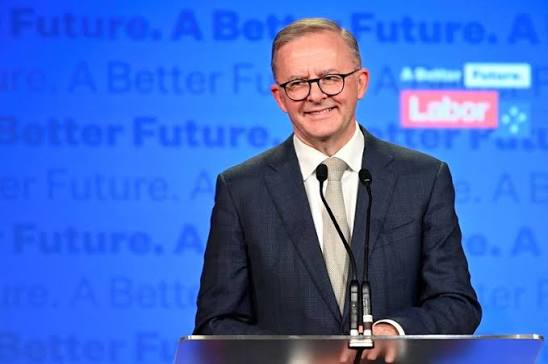
Anthony Albanese will seek state and territory agreement on water, energy, copyright, security and safety obligations as Australia targets frontier AI infrastructure.
Domestic and international studies will inform policy after allegations involving Vodafone franchisees, while the government weighs protection against burdens on small businesses.
Beijing barred organizations and individuals from assisting an EU foreign-subsidies investigation into JD.com’s €2.2 billion bid, escalating a jurisdictional dispute before an October 2 decision deadline.
Water outages cost a food plant 25 production shifts and contributed to a R17 million profit shortfall, illustrating how political instability and weak municipal investment are reaching corporate balance sheets.
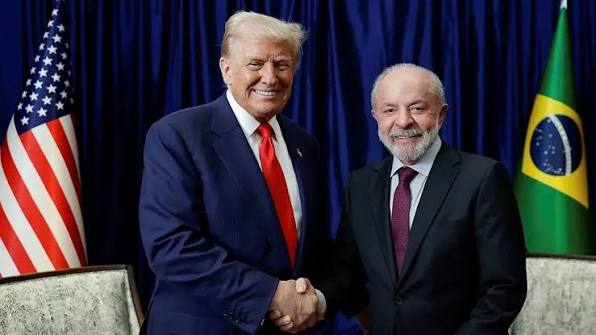
President Luiz Inácio Lula da Silva invoked Brazil’s economic reciprocity mechanism and requested consultations with Washington, but the procedural step does not itself impose counter-tariffs.