
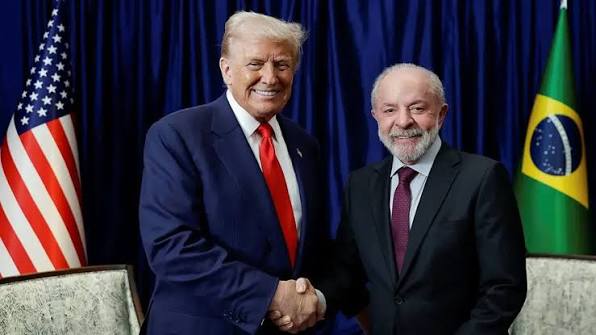
Brazilian President Luiz Inácio Lula da Silva said his government has triggered the country’s economic reciprocity law mechanism in response to U.S. tariffs. He presented the decision as a demonstration that Brazil expects respect in its commercial relations, while saying he remains prepared to defend the country’s position through debate.
In July, U.S. President Donald Trump imposed tariffs on hundreds of Brazilian exports, with duties reaching as high as 37.5% on some products. The U.S. administration has alleged unfair trade practices; Lula rejects that characterization and says the measures are politically motivated before Brazil’s October election.
Activation of the reciprocity procedure does not automatically impose retaliatory tariffs or other restrictions. It begins a legal and administrative route through which Brazil can evaluate a proportional response, leaving the scale, instruments, affected goods and timing unresolved.
Brazil’s Foreign Ministry requested diplomatic consultations with its U.S. counterparts and framed the step as part of Lula’s preference for dialogue and negotiation. That request creates an opportunity to seek concessions before countermeasures, but it does not guarantee an agreement or suspend the existing U.S. duties.
The trade dispute is intertwined with Brazil’s electoral campaign. Lula is seeking reelection against Senator Flávio Bolsonaro, an ally of Trump who met U.S. officials, including the president, in Washington weeks before the administration proposed the higher tariffs on Brazilian goods.
Diplomatic friction has already moved beyond customs policy. The U.S. State Department revoked the visa of Brazil’s ambassador to Washington after Brazil denied visas to two American diplomats who sought to visit before the October vote. The ambassador was not expelled from the United States.
A separate dispute concerns Washington’s nominee for ambassador in Brasilia. U.S. officials accuse Brazil of delaying approval, while Brazilian officials say prior government consent should have been requested before the nomination went to Congress. U.S. officials have indicated that expulsion of Brazil’s ambassador could follow if Lula’s government escalates.
Lula said he does not want a fight with the United States and again noted that Trump has treated him well, but warned foreign governments against interfering in the election. For companies, the immediate condition is uncertainty: existing U.S. tariffs remain, Brazilian retaliation is not yet ordered, and consultations will determine whether the dispute narrows or expands.