
Panama’s audiovisual sector registered 45 productions and projects during 2026, with estimated investment of US$19.99 million through November. The decimal point is essential: the reported total is roughly twenty million dollars, not US$199 million. The figure is preliminary and covers activity recorded before the full year closed.
Eight projects using the government’s economic-return mechanism accounted for US$17.26 million, or 86.4% of the total. That concentration suggests the incentive is central to larger productions, but the published balance does not state the rebate paid, the qualifying expenditure base or the net fiscal return after public support.
The Ministry of Commerce and Industries said the activity generated 1,680 labour participations, of which 742 corresponded to Panamanian professionals. A participation is not necessarily a unique, full-time or year-long job; one person may work on more than one production. The metric should therefore not be read as 1,680 permanent positions.
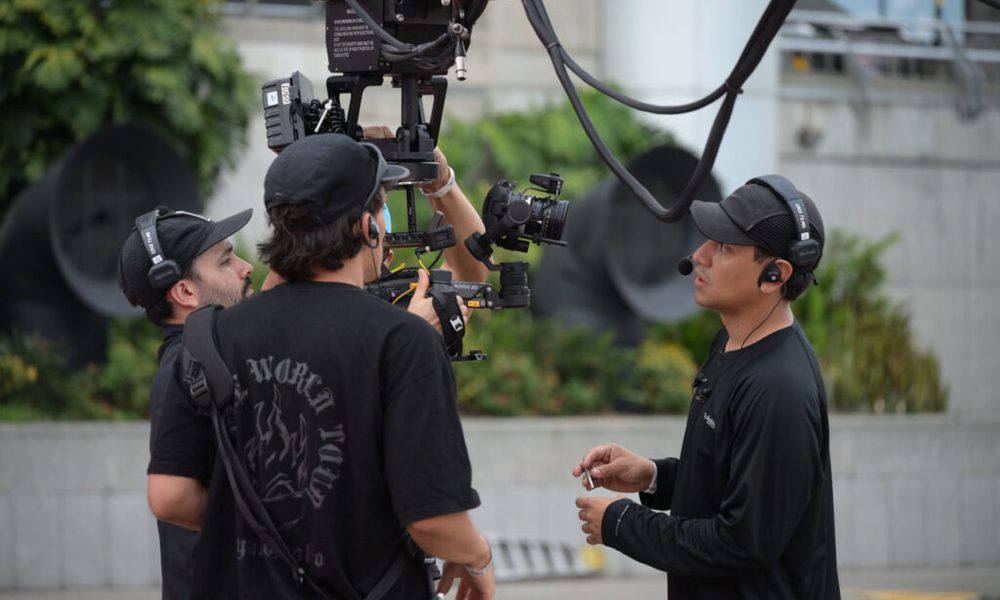
Local technicians, performers and service providers participate in a chain that can include transport, accommodation, catering, equipment, locations, post-production and professional services. The policy objective is to make foreign shoots leave knowledge, supplier demand and exportable skills rather than operate as temporary enclaves.
The Panama Film Commission plans to attend Ventana Sur 2026 in Montevideo to market the country, connect local companies with producers and attract new projects. Participation in an industry market creates leads and relationships; it does not by itself constitute investment, a signed production or future spending.
Government accompaniment begins with scouting and technical visits, when producers compare locations, permits, crews, logistics, security, incentives and costs across countries. Fast coordination can improve conversion, but transparent eligibility and verification are necessary to prevent public support from rewarding expenditure that would have occurred anyway.
The preliminary results indicate a creative-services export opportunity, yet the concentration in eight projects also creates volatility. One delayed or cancelled production could move the annual total sharply. Geographic variety alone will not secure continuity when international production budgets contract. A durable ecosystem requires repeat clients, Panamanian intellectual property, training, equipment capacity and local firms able to serve projects between major shoots.
The next useful disclosure would separate committed from executed spending, foreign from domestic financing, incentive payments, unique workers, labour days, local procurement and export revenue. Those indicators would show whether US$19.99 million is creating lasting productive capacity. For now, the data support growth in activity, not a complete cost-benefit conclusion.