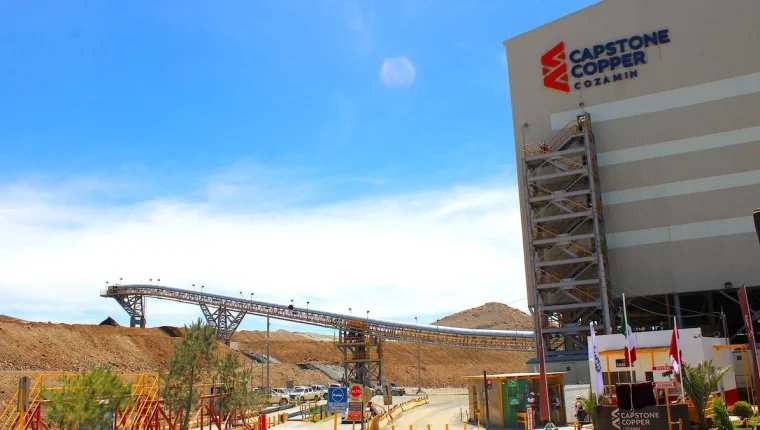

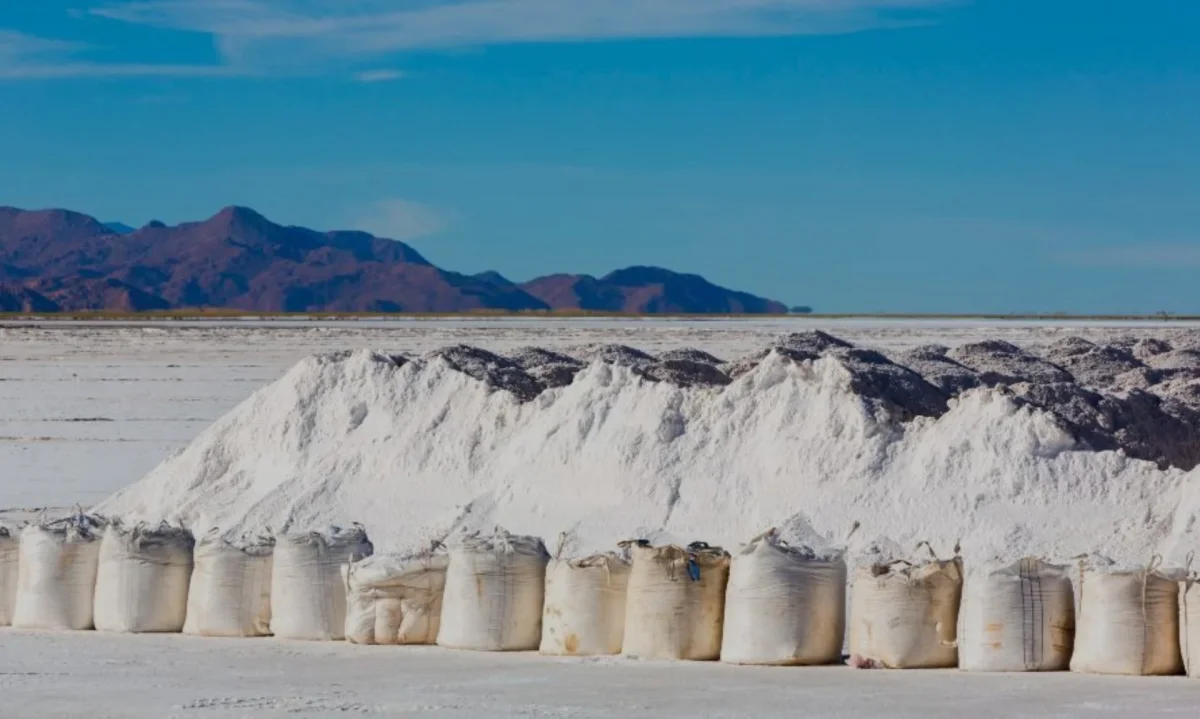
Coal India is considering an acquisition involving Wealth Minerals’ Chilean lithium business, with a joint venture still available as an alternative structure. The discussions would place the world’s largest coal producer alongside the Canadian junior’s Kuska project in northern Chile, but no binding transaction, purchase price or final ownership arrangement has been announced.
The talks have reached an advanced stage after months of contact, yet the decisive condition is regulatory. Coal India cannot advance an acquisition until the project receives the Chilean authorization needed to extract lithium. The parties therefore face two separate negotiations: the corporate structure between investor and asset owner, and the Special Lithium Operating Contract, or CEOL, with the Chilean state.
Kuska’s licensing file moved forward on January 2, 2026, when Chile’s Ministry of Mining accepted the consortium’s CEOL application and determined that the formal requirements had been met. Acceptance did not itself grant extraction rights. Contract terms must still be negotiated and incorporated into a supreme presidential decree before the licence is certified.
Wealth holds 95% of Kuska Minerals, while the Quechua Indigenous Community of Ollagüe owns 5%, has anti-dilution protection and can appoint one of five directors. That structure matters to any Coal India proposal: acquiring Wealth’s Chilean unit or forming a joint venture would not automatically eliminate the community’s protected position, and the exact perimeter of any deal remains undisclosed.
The project’s 2024 preliminary economic assessment described a 20,000-tonne-per-year lithium carbonate equivalent operation with a 20-year life. It estimated $749 million of base capital plus $44 million for exploration and permitting, a pre-tax net present value of $1.65 billion at a 10% discount rate and a 33% pre-tax internal rate of return. The study is preliminary, not a construction decision or production guarantee.
Kuska reports indicated resources of 741,000 tonnes of lithium carbonate equivalent at an average 175 milligrams per litre and inferred resources of 701,000 tonnes at 185 milligrams per litre. Wealth’s financing position is far smaller than the development requirement: at May 31 it had $78,218 in cash, $1.72 million in marketable securities and $807,202 of working capital, while continuing to state that significant additional funding is required.
Coal India approaches the negotiations from a very different scale, having produced 768.19 million tonnes of coal in the fiscal year ended March 2026, down from 781.06 million tonnes a year earlier. A Chilean lithium position would support the Indian government’s effort to secure critical minerals abroad and reduce supply-chain dependence, while giving Coal India a route beyond its thermal-coal base.
The next milestones are the negotiated CEOL terms, the presidential decree, completion of legal and technical due diligence, and agreement on valuation, governance and project financing. Until those steps are completed, neither an acquisition nor a joint venture is assured. The asset may have strategic value and a positive preliminary model, but it still requires a licence, substantial capital and a final investment decision before it can become an operating lithium supply.