
Oil prices jumped by more than $3 a barrel at Monday’s open after new attacks in Saudi Arabia and on ships in the Gulf intensified concern about energy supplies. Brent rose $3.62, or 3.46%, to $108.23, while West Texas Intermediate gained $3.15, or 3.15%, to $103.20 in the initial market move.
The opening quotations were not the final result. Both benchmarks climbed almost 5% during the session, then surrendered part of the gain after U.S. President Donald Trump said Iran wanted an agreement with Washington. Brent ultimately settled 1% higher at $105.68 and WTI rose 1.3% to $101.39.
Saudi state media published footage of damage to homes and a mosque in the southern province of Jazan and attributed it to a Houthi attack. The Houthis also said they had struck a Saudi military base in a neighboring province. Those descriptions remained claims by the respective parties.
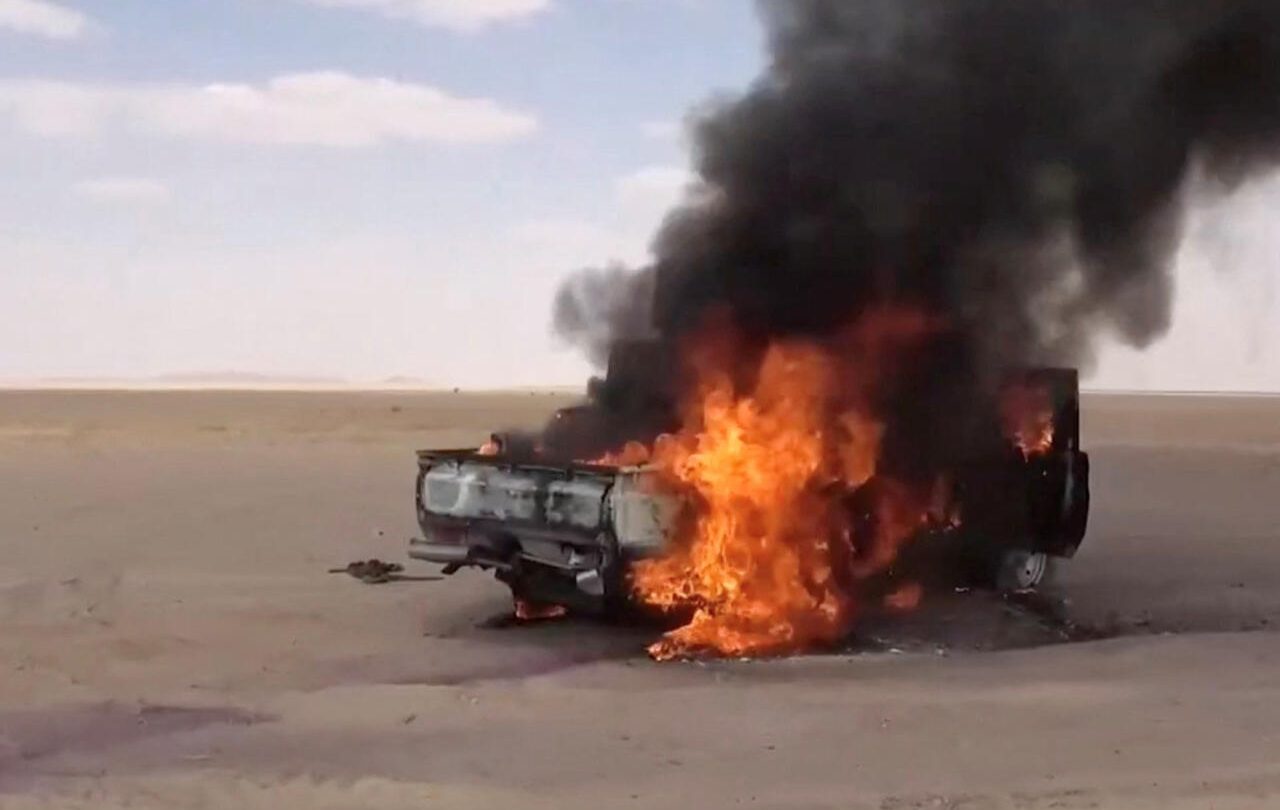
Maritime risk rose at the same time. The United Kingdom Maritime Trade Operations agency said a vessel in the Strait of Hormuz was hit by a projectile, caught fire and required the crew to evacuate. Iran separately said one person died and four crew members were wounded aboard an Iranian commercial vessel struck off its coast.
The new incidents followed the shutdown of Saudi Arabia’s East-West oil pipeline after a drone strike reported to have originated in Iraq. The route is strategically important because it moves crude toward the Red Sea and can reduce reliance on the Strait of Hormuz.
A planned meeting in Oman between Iran and Gulf Arab states to discuss the strait was postponed. The delay removed a possible near-term diplomatic signal, but it did not determine whether talks would resume or whether shipping access would improve.
The session showed the difference between headline risk and final pricing. An initial jump above $108 reflected immediate fear, while the lower settlement incorporated later diplomatic comments. Neither price alone measures the actual volume of crude unavailable to the market.
The next direction depends on the East-West pipeline, verified shipping disruptions and any rescheduled regional negotiations. Until those variables are clearer, the oil premium reflects threatened logistics and uncertainty, not a confirmed permanent loss of supply.