

Australian business conditions held steady in June as cost pressures eased following a U.S.-Iran peace deal, though renewed hostilities in the Gulf have since pushed oil prices higher again, according to a survey released on Tuesday.
The National Australia Bank's index of business conditions remained at +3 in June, marking a third consecutive month at that level[reference:0]. Business confidence also improved sharply, rising to -5 from a deeply pessimistic -14 in May[reference:1].
The improvement was attributed to positive developments in the Middle East, where the U.S. and Iran signed an agreement to end a multi-month war that had triggered a global energy shock[reference:2]. The survey showed that product price growth eased back to its February level in June, while retail prices declined for the first time in seven years[reference:3].
"In a broader macro sense, the business survey results remain consistent with a slowing in activity growth through H1 2026, but also show that the impact of the Middle East conflict has been less severe in terms of both activity and price pressures than had been feared," NAB said[reference:4].
However, tensions flared up again in the Gulf this week. The U.S. renewed military strikes on Iran and reinstated its blockade of shipping via the Strait of Hormuz[reference:5]. Brent crude prices rose 2% to $85 a barrel, the highest point since mid-June, having jumped nearly 10% overnight[reference:6].
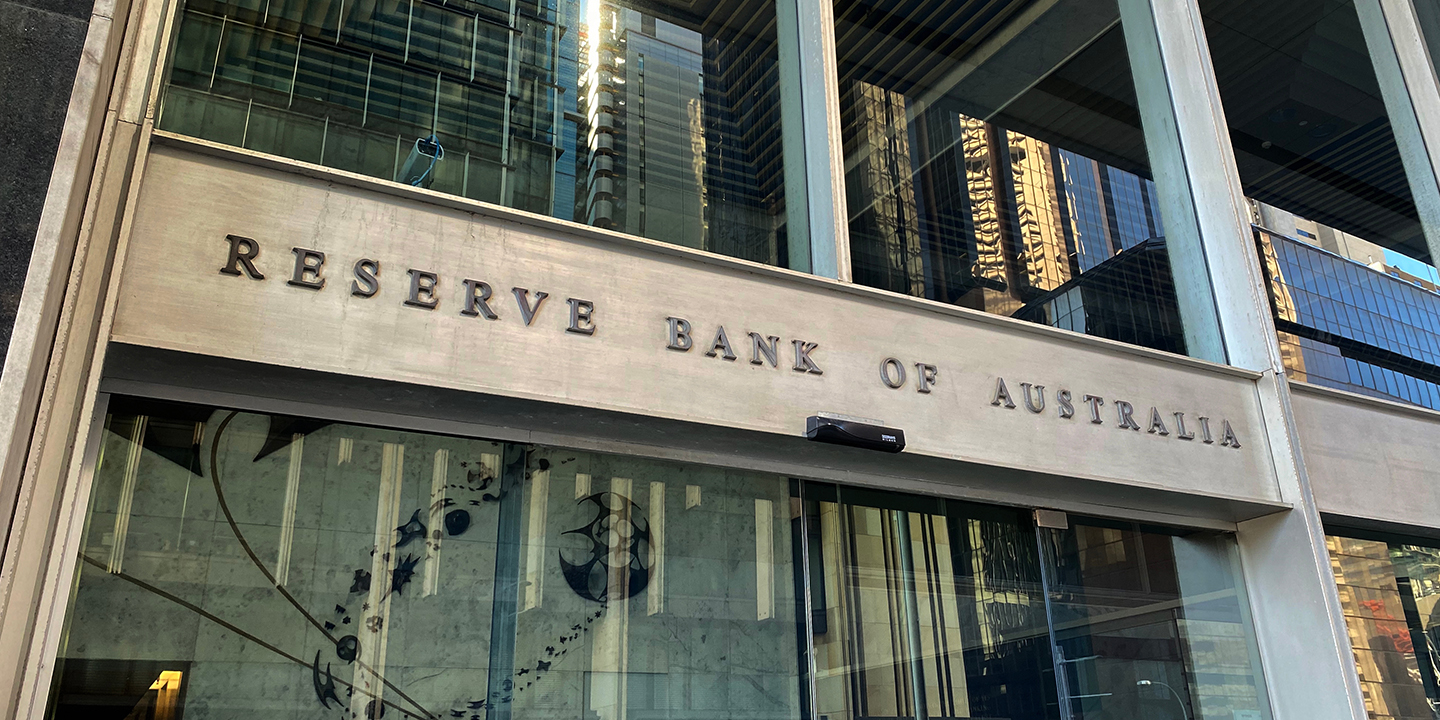
The Reserve Bank of Australia has raised interest rates three times this year to 4.35% to counter the global energy shock[reference:7]. It held policy steady in June but warned that further tightening could not be ruled out[reference:8].
The business conditions index remains 4 points below its long-run average and well below the peak of 11 points recorded in October last year[reference:9]. On a three-month average basis, conditions continue to trend lower through 2026, reinforcing the view that underlying momentum has been easing[reference:10].
The outlook now hinges on whether the renewed Middle East tensions escalate further, which could reignite inflationary pressures and force the RBA to resume its tightening cycle.