
Grupo México reported second-quarter net profit of $2.20 billion, almost 79% above the prior-year period and well ahead of the $1.66 billion analyst estimate. Revenue increased 35% to $5.71 billion, slightly exceeding the $5.65 billion consensus, as commodity pricing delivered more earnings growth than physical volumes.
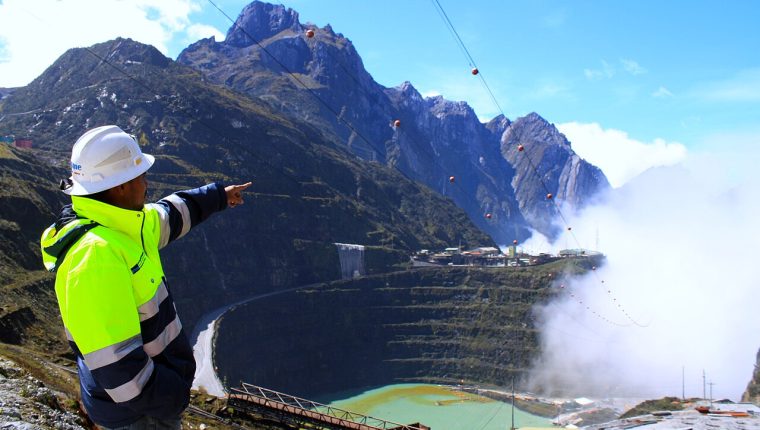
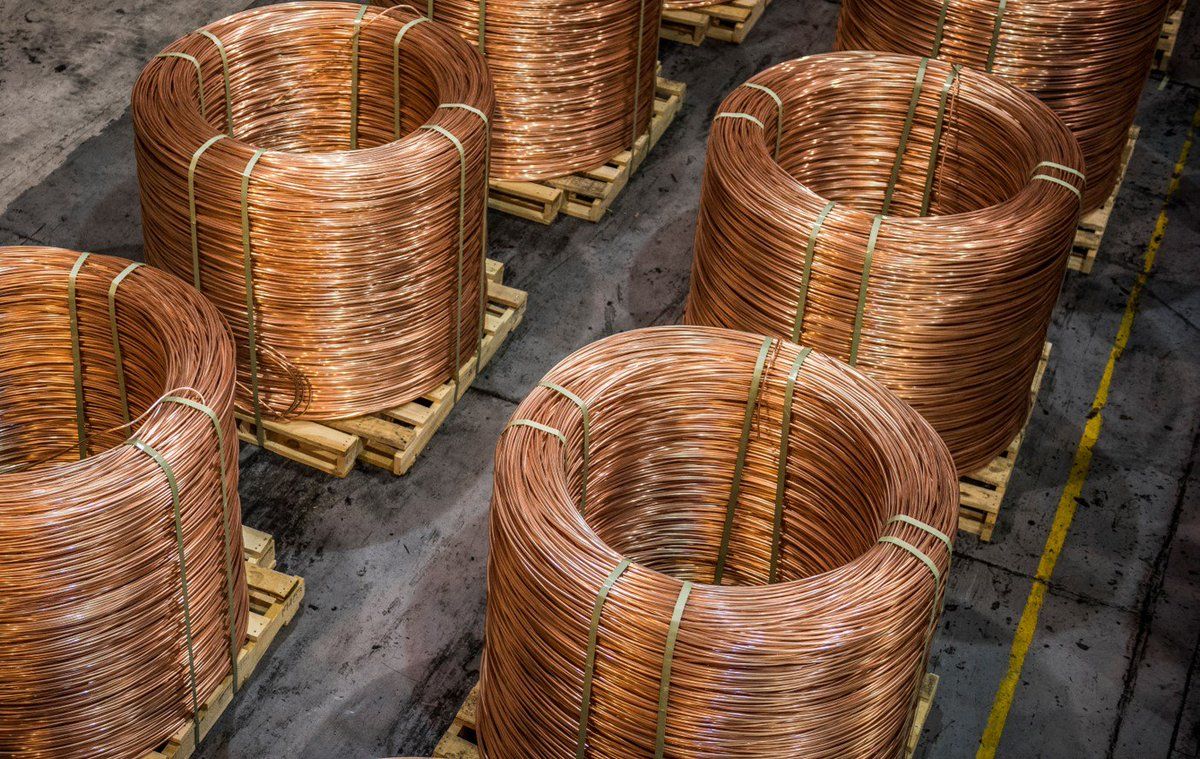
Copper was the central driver. The group's realised price rose 30.5% from a year earlier to $6.16 per pound, while sales in the mining division climbed 41.3%. That price movement more than compensated for a 3.7% fall in quarterly copper production to 257,537 metric tons.
The volume decline came from lower output in Peru and at Asarco in the United States, partially offset by stronger Mexican operations. The contrast between price and production is important: the quarter improved cash generation, but it did not by itself demonstrate an expansion of the group's mining capacity.
Grupo México maintained its 2026 copper-production guidance at 1.034 million tons. Meeting that target now requires stronger execution in the second half, particularly where the second-quarter shortfall occurred. The guidance also leaves earnings exposed to the sustainability of a copper price that has become the principal support for margins.
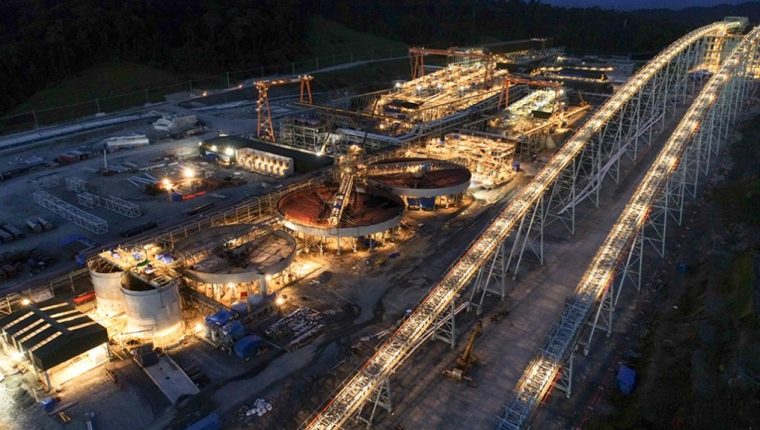
The company is directing capital toward Peru's Tía María copper project. It raised $1.25 billion through a ten-year senior unsecured bond issue and intends to use the proceeds for development. Tía María was 42% complete at the end of the quarter and is targeted to begin operating in the second half of 2026, making construction progress and commissioning the next operational tests.
Growth plans also extend beyond mining. Grupo México is evaluating the acquisition of a stake in a Brazilian rail asset and awaiting the outcome of an Argentine tender for freight-rail assets. It would consider the Argentine opportunity only if it obtained full control over both infrastructure and operations, a condition that limits its willingness to accept a minority or fragmented operating role.
The strategy reflects the group's existing combination of mining, transport and infrastructure under the control of Germán Larrea. Strong copper cash flow can finance projects and acquisitions across those platforms, but it also creates correlated risks: construction delays, production misses and a lower metal price could all reduce the funding cushion at the same time.
The next checkpoints are measurable. Grupo México must advance Tía María from 42% completion to commissioning, produce enough copper to reach 1.034 million tons and decide whether the Brazilian and Argentine rail opportunities satisfy its control requirements. Until those steps are delivered, the 79% profit increase is primarily a price-led result funding a broader expansion plan.