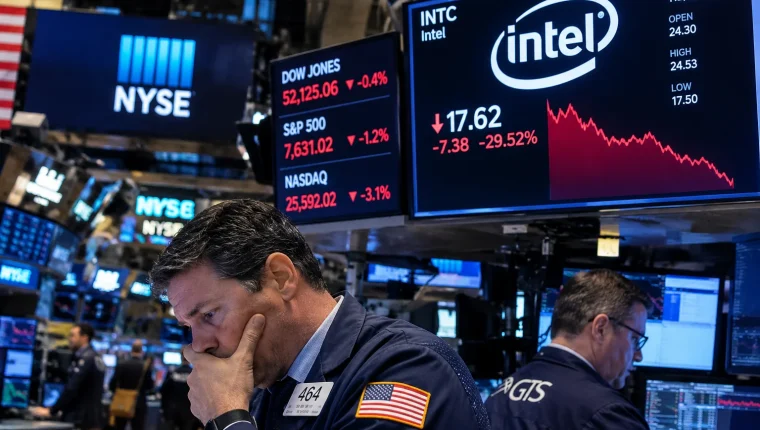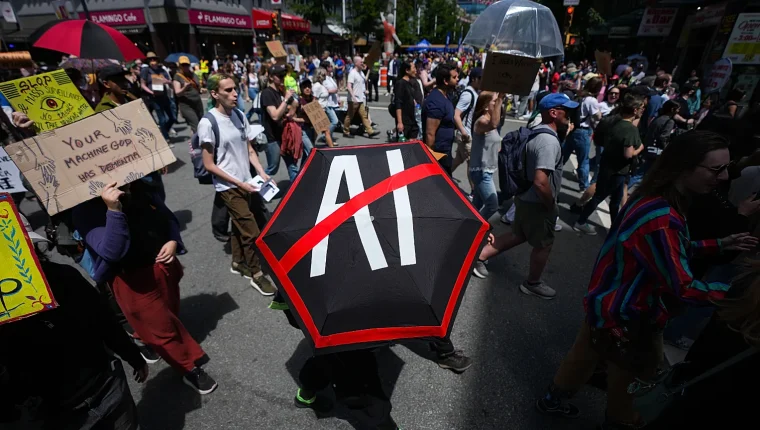

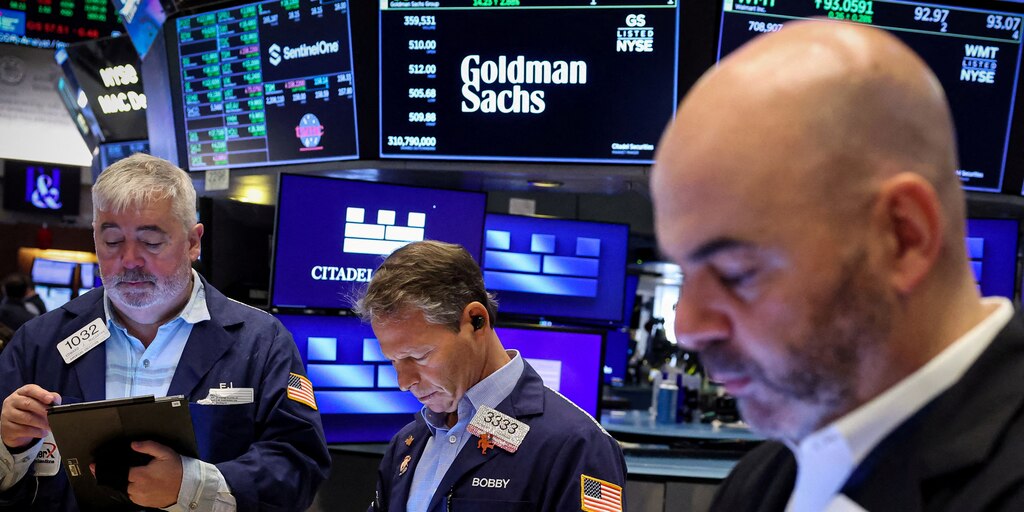
Global markets moved through two distinct reactions after Democrats won control of both the US Senate and House in the midterm elections. Equity futures initially fell as much as 2% on concern that a new congressional majority would subject artificial-intelligence companies and data-centre development to tougher scrutiny. Dip buyers later erased most of the decline and futures edged positive by the European session.
The MSCI All-World index rose about 0.13% and Europe’s STOXX 600 gained 0.5%. Europe has recently functioned as a partial hedge against concentrated US AI exposure. Russell 2000 futures, tied more closely to the domestic economy, rose 0.7% after falling 1%, showing that the first political shock did not become a uniform growth selloff.
Company moves were more selective. Tesla and SpaceX shares traded roughly 4.5% to 5% lower on a European platform, compared with smaller declines among other large technology groups. Investors associated the election with potential changes in regulation and government relationships, but trading outside the main US session is thinner and should not be treated as a final closing price.
Bonds were the clearer winner. The benchmark ten-year Treasury yield fell three basis points to 4.92%, after touching 4.89% overnight. Markets linked Democratic control to a greater probability of divided government, delayed tax cuts, slower public spending and possibly less need for rate increases if AI regulation cools investment. Those are expectations, not enacted fiscal measures.
The dollar weakened alongside yields. The euro rose 0.4% to $1.133 and sterling 0.5% to $1.348. Safe-haven currencies also gained: the dollar fell 0.6% against the Swiss franc to 0.8163 and 0.4% against the yen to 158.12. The combination reflected both rate differentials and demand for liquid protection during policy uncertainty.
Oil added another source of volatility. Brent was down 0.4% near $103.17 after a four-week low, as investors balanced possible diplomacy in the Iran and Ukraine wars against recent attacks and supply risk. Cheaper energy can help bonds and consumers, but geopolitical headlines can reverse quickly and complicate the inflation assumptions embedded in rates.
The election has implications beyond technology. Defence, healthcare, banking, taxation and spending may face altered legislative paths, while a president whose party lost Congress confronts more negotiation and oversight. Control of both chambers does not by itself guarantee passage: internal party differences, presidential vetoes, courts and implementation agencies still shape outcomes.
The recovery showed that markets moved from binary election positioning toward sector-by-sector policy analysis. Confirmation will require actual committee agendas, legislation, fiscal decisions and regulatory actions. The day’s prices are an early snapshot; a lower yield and recovered futures do not prove investors have resolved the growth, inflation or AI-valuation questions exposed by the result.