
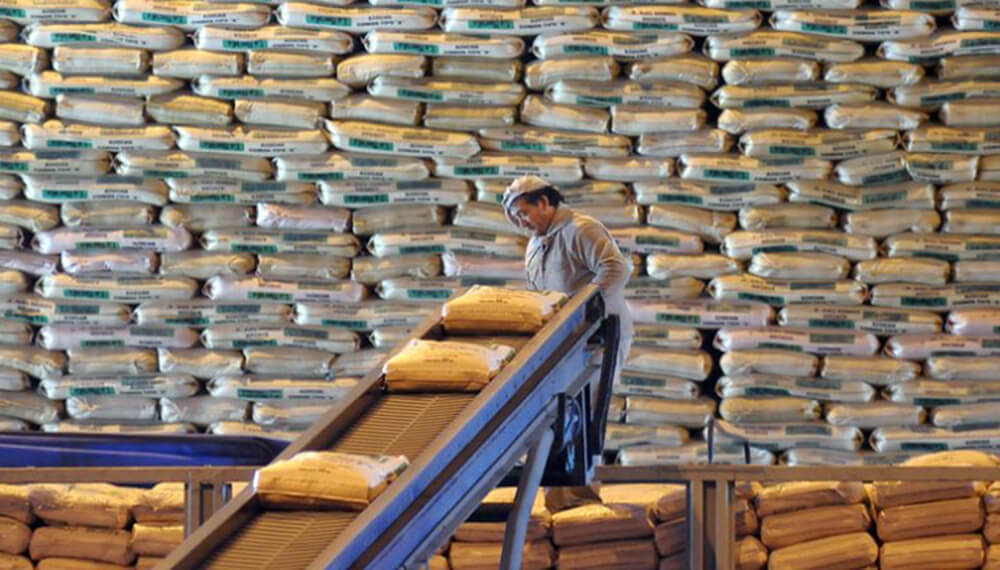
Raw sugar futures fell to a one-month low on November 5, leading a broader decline across sugar, cocoa and coffee contracts. At 14:13 GMT, raw sugar was down 3% at 18.49 cents a pound after touching 18.39 cents. White sugar lost 1.6% to $501.30 a metric ton. These are intraday quotations and can change before settlement.
Brazil supplied an important transmission channel. Political uncertainty pushed the real lower, increasing the local-currency value of dollar-denominated exports and encouraging Brazilian mills to add hedge selling. Currency-driven producer sales can accelerate futures declines even when the physical crop outlook has not changed by the same magnitude.
Supply news added pressure. India reported strong sugar production in October, improving expectations for availability from another major producer. At the corporate level, Associated British Foods forecast another year of lower profit after earnings fell 14% in fiscal 2025/26, with losses in its sugar business deepening. That result reflects company mix and costs as well as benchmark prices.
Cocoa also weakened. London cocoa fell 0.7% to £4,193 a ton after reaching a one-month low of £4,157, while New York cocoa lost 0.5% to $5,409 and touched $5,343. Traders weighed the possibility of a production recovery in Ghana against demand that remains restrained after historically high prices damaged grinding and consumption.
The cocoa balance is not resolved by one origin. Weather, disease, farm investment, port flows and policy in Ghana and Côte d’Ivoire determine West African supply, while inventories and processor margins shape demand. A prospective Ghana recovery can pressure futures without guaranteeing that global stocks will rebuild quickly.
Coffee contracts declined too, but their fundamentals were mixed. ICE arabica lost 1.6% to $2.8750 a pound and robusta 0.9% to $3,213 a ton. Traders cited favourable prospects for next year’s crops, yet near-term certified supply remained tight, limiting how confidently the forward outlook can be translated into current availability.
Exchange-monitored arabica stocks stood at 220,917 bags on November 2, down from 225,610 a week earlier and 431,481 a year earlier. Vietnam exported 1.569 million metric tons of coffee in the first ten months of 2026, up 18.8% from a year before. Higher Vietnamese flows help robusta supply, but they do not immediately replenish certified arabica stocks.
The three markets therefore shared a red session for different reasons: currency and hedging in sugar, prospective West African recovery and weak demand in cocoa, and future crop optimism against scarce nearby coffee stocks. Settlement prices, Brazilian currency movements, Indian output, Ghana arrivals, grindings, certified inventories and Vietnam shipments will determine whether the decline becomes a sustained trend.