
onsemi signed an agreement to acquire Ferric, a specialist in integrated voltage-regulator technology, to deepen its position in power delivery for artificial-intelligence processors. The buyer will pay $600 million in cash at closing and could pay up to another $175 million if specified revenue milestones are achieved. The maximum $775 million is therefore not the guaranteed upfront purchase price.
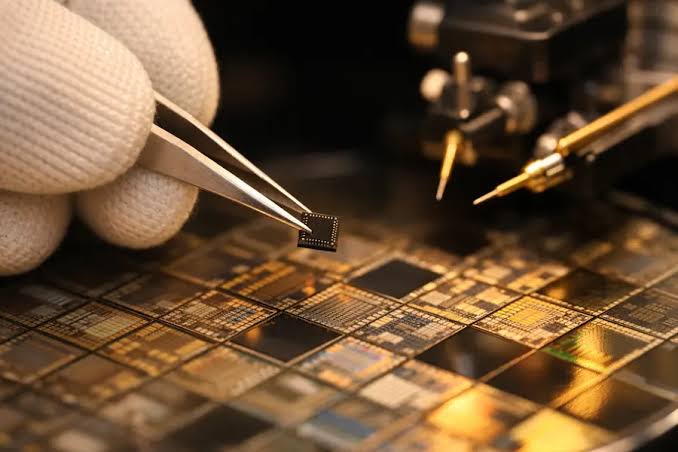
Ferric places a controller, power transistors, inductors and capacitors into a single integrated voltage-regulator package. Bringing those components together can reduce power-delivery board area by 50% to 70%, according to the companies. That density matters as GPUs and custom accelerators draw more current and leave less physical room around the processor for conventional multiphase power stages.
The technology aims to deliver current close to the computing die, reduce electrical losses and improve transient response as processor loads change rapidly. Better power conversion can free board space, lower cooling burden and support denser systems. Actual benefits will depend on customer designs, production yields, efficiency across load conditions and qualification with leading processor and server platforms.
Ferric brings more than 40 patents and roughly 50 employees in New York and Silicon Valley after more than a decade of engineering work. The team is expected to join onsemi, while Ferric will continue as a wholly owned subsidiary. Retaining specialist engineers and integrating design tools, manufacturing and sales channels will be central to preserving the acquired know-how.
The transaction will be funded from cash on hand and is expected to close by the end of 2026, subject to US antitrust clearance and customary conditions. Until those requirements are satisfied, the businesses remain separate and the acquisition is pending. The contingent payment also means part of the final consideration depends on post-deal commercial performance.
onsemi raised its target for AI data-centre revenue in 2030 by $500 million to more than $3 billion following the announcement. That figure is a management objective, not contracted sales. It assumes customers adopt the combined power portfolio, AI infrastructure spending remains strong and the company can manufacture and qualify products at scale.
Management expects no meaningful near-term financial impact and says the acquisition should become accretive over the longer term at scale. This timing matters: purchase accounting, integration expenses and product investment may arrive before material revenue. Synergies require design wins that survive long qualification cycles and reach high-volume production.
The acquisition addresses a real bottleneck as AI systems move from processor performance to rack-level power, cooling and grid constraints. The commercial proof will come from regulatory closing, employee retention, product road maps, customer qualifications, revenue milestones, margins and cash generation. Patent count and a higher 2030 target alone do not establish market leadership.