

Twenty-one US states and the District of Columbia sued the Trump administration over an August rule that removed most domestic companies and US individuals from federal beneficial-ownership reporting. The case asks a court to decide whether the executive branch lawfully implemented the statute or used regulation to nullify a disclosure system Congress created.
The underlying Corporate Transparency Act was enacted in 2021 to help authorities identify the people who ultimately own or control companies. Its reporting framework was designed to make anonymous shell structures less useful for money laundering, sanctions evasion, fraud and other illicit finance, while creating compliance duties for legitimate small businesses.
The August rule exempted US companies and individuals from sending ownership information to the Financial Crimes Enforcement Network, the Treasury unit responsible for financial-intelligence and anti-money-laundering work. According to the complaint, the exemptions removed more than 99.9% of the companies originally covered by the statutory reporting requirements.
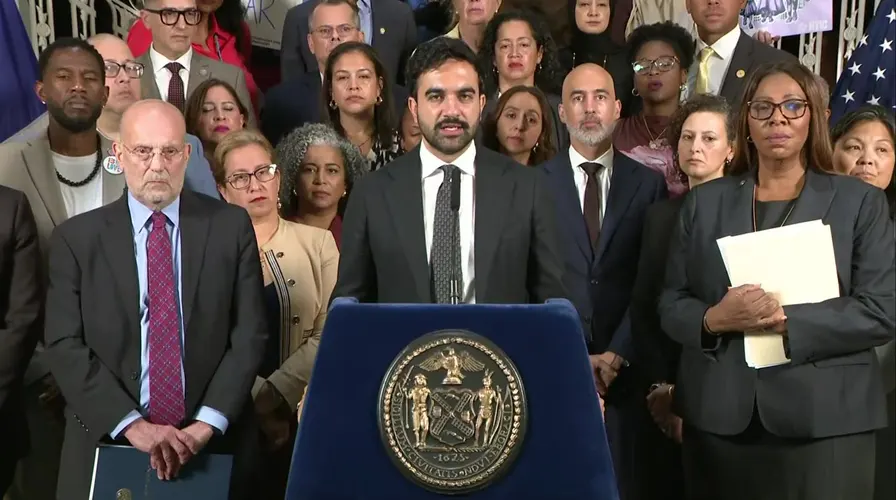
The coalition, led largely by Democratic state attorneys general, filed in the US District Court for the District of Oregon. Its central legal theory is institutional: the executive branch may interpret and administer a law, but cannot achieve the functional equivalent of repeal through rulemaking when Congress has not withdrawn the mandate.
The defendants include Treasury Secretary Scott Bessent, the Treasury Department, FinCEN and the heads of the Justice and Homeland Security departments. Filing a complaint establishes the challengers’ allegations and requested remedy; it does not mean the court has accepted their reading, vacated the rule or restored the earlier obligations.
The administration frames the policy in opposite terms. Bessent said the exemption eliminated a burdensome requirement for millions of law-abiding business owners without compromising national security. That position presents compliance cost, privacy and administrative burden as material public interests rather than treating maximum disclosure as costless.
The states argue that the trade-off creates enforcement gaps. New York Attorney General Letitia James said owners of domestic and foreign shell companies could remain anonymous, while Senator Elizabeth Warren linked the rollback to higher risks of sanctions evasion, fraud, drug and sex trafficking and organized crime. Those are warnings about exposure, not proof that the rule has already caused each offense.
The decisive evidence will be the statutory text, administrative record, explanation for the exemptions and the court’s view of agency authority. The litigation may determine whether reporting returns, remains narrowed or requires a different rule. Until a ruling, the August exemption is the operative policy and the states’ claim that it unlawfully guts the law remains contested.