

China’s Ministry of Finance and State Taxation Administration have brought offshore trusts explicitly within personal income-tax administration. Announcement No. 21, issued and effective on July 24, covers trusts established under foreign law and other overseas arrangements that perform a substantially similar function. It applies to property placed in those structures and income obtained through them.
When a resident individual transfers property into an offshore trust, the difference between market value and the asset’s original cost plus reasonable expenses is treated as taxable property-transfer income. The tax basis is then reset to that market value. This removes the assumption that moving assets into a foreign trust can occur outside the individual tax calculation.
Income generated by a resident’s offshore trust, and by overseas entities it holds, controls or manages, is taxable annually whether or not it is distributed. Transfer gains and interest, dividends and other income must be calculated separately; losses between those categories cannot be offset, and trustee, legal, investment-advisory and administration fees cannot reduce taxable income. Eligible foreign personal income tax may be credited under Chinese law.
The scope goes beyond a trust’s formal label. An overseas entity can be captured through ownership of at least 25% or through substantive control, while regulated financial institutions serving unrelated clients and businesses with demonstrable commercial substance may fall outside the definition. Foreign citizenship or overseas permanent residence does not automatically remove Chinese residence when a person’s main economic interests remain in mainland China.
Transitional rules add immediate compliance work. Certain unpaid tax on property contributed from 2023 through 2025 and income generated before 2026 must be declared within 90 days of the announcement without late charges. From January 1, 2026, contributions and annual trust income follow the new framework; resident owners generally file the previous year’s liability from March 1 to June 30.
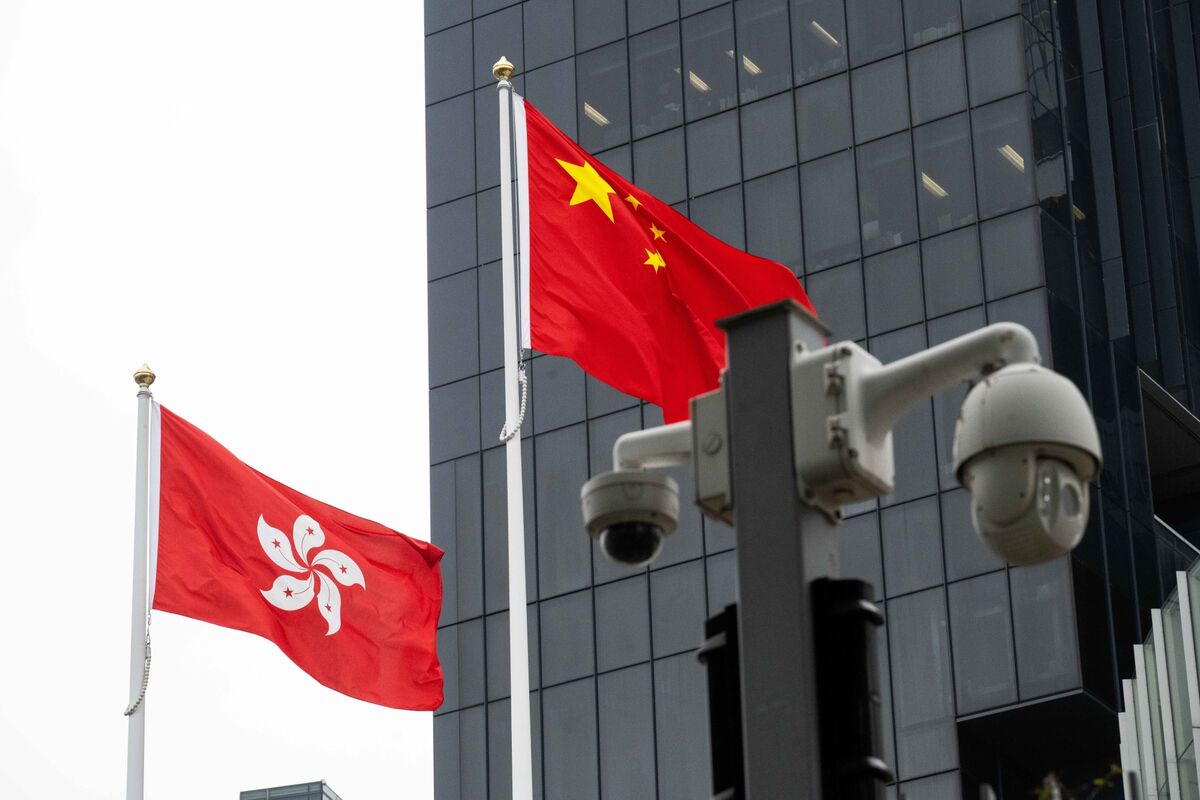
Hong Kong enters this change from a position of scale. The city was ranked the world’s largest cross-boundary wealth-management center in a 2026 industry report, with cross-boundary wealth projected to grow 9% annually from 2025 to 2030. Government figures counted more than 3,380 single-family offices at the end of 2025 and nearly 3,600 capital-entry applications worth an anticipated HK$108 billion by April 2026.
The mainland measure does not impose a Hong Kong tax or prevent capital from being managed there. It instead changes the after-tax economics and reporting burden for Chinese residents who use offshore trusts, potentially reducing tax-driven structures while increasing demand for compliant trustees, private banks, accountants and lawyers. Whether money leaves Hong Kong is therefore an open question, not an observed consequence of the rule.
The test for Hong Kong is whether legal predictability, investment access and financial expertise remain valuable after tax opacity narrows. Near-term restructurings or slower trust formation would show adjustment; sustained assets, new family offices and more transparent structures would show resilience. The regulation closes a mainland tax channel, but it does not by itself erase Hong Kong’s broader role in Asian wealth management.