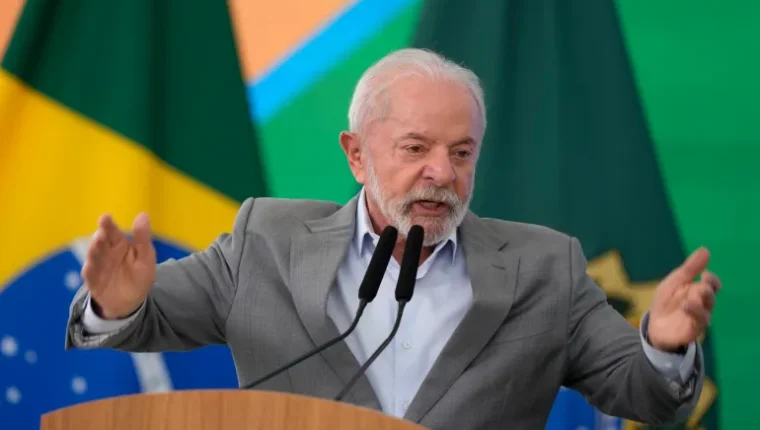

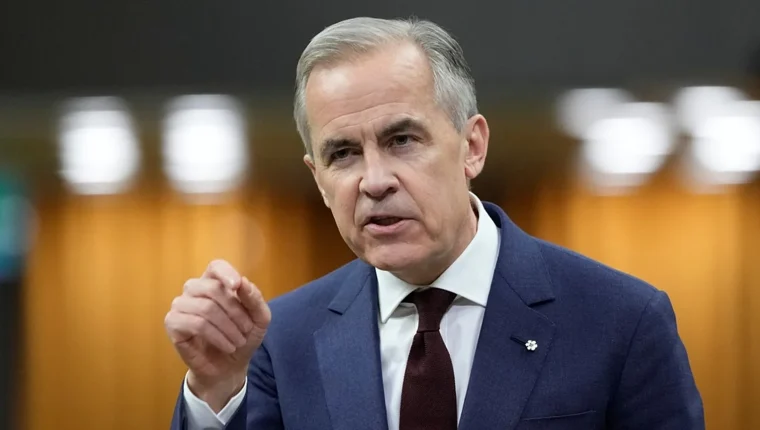
Trade barriers force a structural adjustment across Canada’s economy
New tariffs are redirecting production and trade, giving some Canadian exporters a relative U.S.-market advantage while raising costs and uncertainty across the economy.
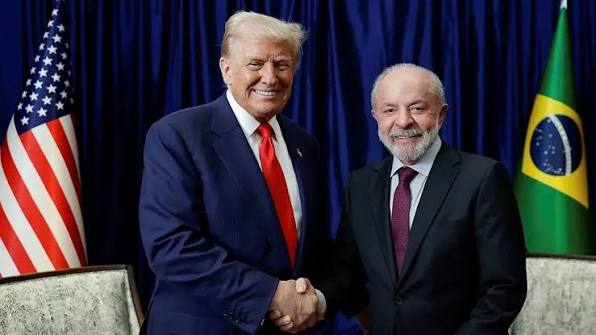
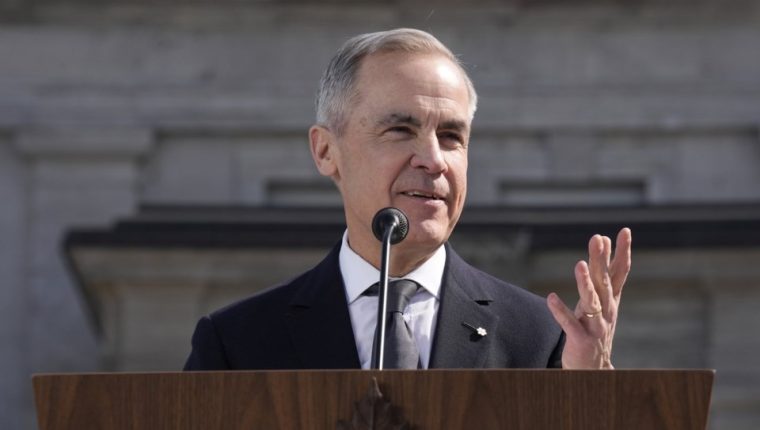
President Luiz Inácio Lula da Silva invoked Brazil’s economic reciprocity mechanism and requested consultations with Washington, but the procedural step does not itself impose counter-tariffs.
Prime Minister Mark Carney says Canada remains in talks with the United States despite an increasingly hostile exchange with President Donald Trump. Existing US duties already cover Canadian steel, aluminum and automobiles, while a threatened 50% tariff on additional goods is scheduled for August 19 but is not yet in force.
New 10% and 12.5% forced-labor duties on 60 trading partners replace an expiring temporary tariff and begin a broader shift toward Section 301 and national-security investigations.
A spice importer and a watch retailer argue that 10% and 12.5% duties imposed under Section 301 are too broad and lack the country-specific findings required to justify a trade remedy.
Mexico says the effective tariff burden will not change because compliant goods remain exempt and new duties replace expiring Section 122 charges on the same share of exports.
Brazil formally requested WTO consultations over a 25% U.S. tariff and an additional levy of up to 12.5%, opening a dispute that could advance to a panel if bilateral talks fail.
The U.S. will impose 25% tariffs on Brazilian imports starting July 22, following a yearlong investigation into unfair trade practices. The order exempts coffee, beef, oranges and aerospace parts. President Lula called the move unjustifiable and vowed retaliation, while Secretary Rubio accused Brazil of bad-faith negotiations.
The U.S. is set to impose a 25% tariff on over 4,000 Brazilian products starting next week, according to sources, and is also opening a separate forced‑labor investigation that could add an extra 12.5% levy. Negotiations failed, and Brazil is now weighing retaliatory measures while seeking dialogue with the Trump administration.