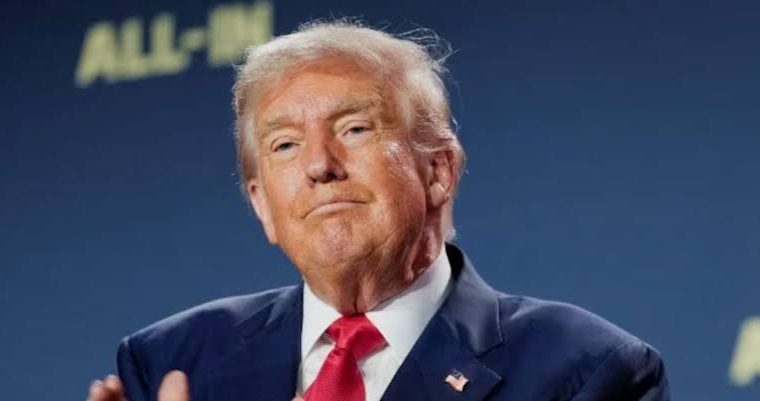

The United States is expected to announce a 25% tariff on more than 4,000 Brazilian products, effective from next week, according to sources familiar with the matter. The measure, which covers key export sectors such as agriculture, steel, automobiles and processed foods, forms part of a broader trade offensive by the Trump administration.
In parallel, Washington is launching a separate investigation into alleged forced labor practices in Brazil's agricultural and mining supply chains. If confirmed, this probe could result in an additional 12.5% levy on affected goods, compounding the impact of the baseline tariff.
The move comes after months of bilateral negotiations failed to reach a compromise. Brazilian officials had proposed a sectoral agreement that would have limited U.S. access to certain markets, but the White House rejected the proposal, citing persistent trade imbalances and what it called “non‑market practices” in Brazil.
President Luiz Inácio Lula da Silva has convened an emergency meeting of his economic cabinet to discuss retaliatory options. Among the measures under consideration are a challenge at the World Trade Organization and the imposition of reciprocal tariffs on U.S. agricultural and industrial products, particularly soybeans, ethanol and aircraft.
However, Brazil is also leaving the door open for direct dialogue. Foreign Minister Mauro Vieira has signaled that Brasília is willing to resume talks at the ministerial level, provided Washington agrees to a phased reduction of the tariffs within a six‑month timeframe.
The tariffs come at a delicate moment for Brazil's economy, which has been showing signs of recovery after a series of interest rate cuts. Exporters are bracing for an immediate hit to competitiveness, particularly in the beef, poultry and sugar sectors, which together account for nearly a third of Brazil's exports to the U.S.
Analysts warn that the escalation could disrupt regional trade dynamics and strain the broader U.S.-Latin America relationship. Brazil is the largest economy in South America and a key partner in areas ranging from energy transition to food security.
The next steps depend on the Brazilian government's response and Washington's willingness to negotiate. Both sides are under domestic political pressure — Trump faces midterm election campaigning, while Lula must balance the demands of agribusiness and labor constituencies. The coming weeks will reveal whether the dispute can be contained through diplomatic channels or spirals into a full‑fledged trade war.