
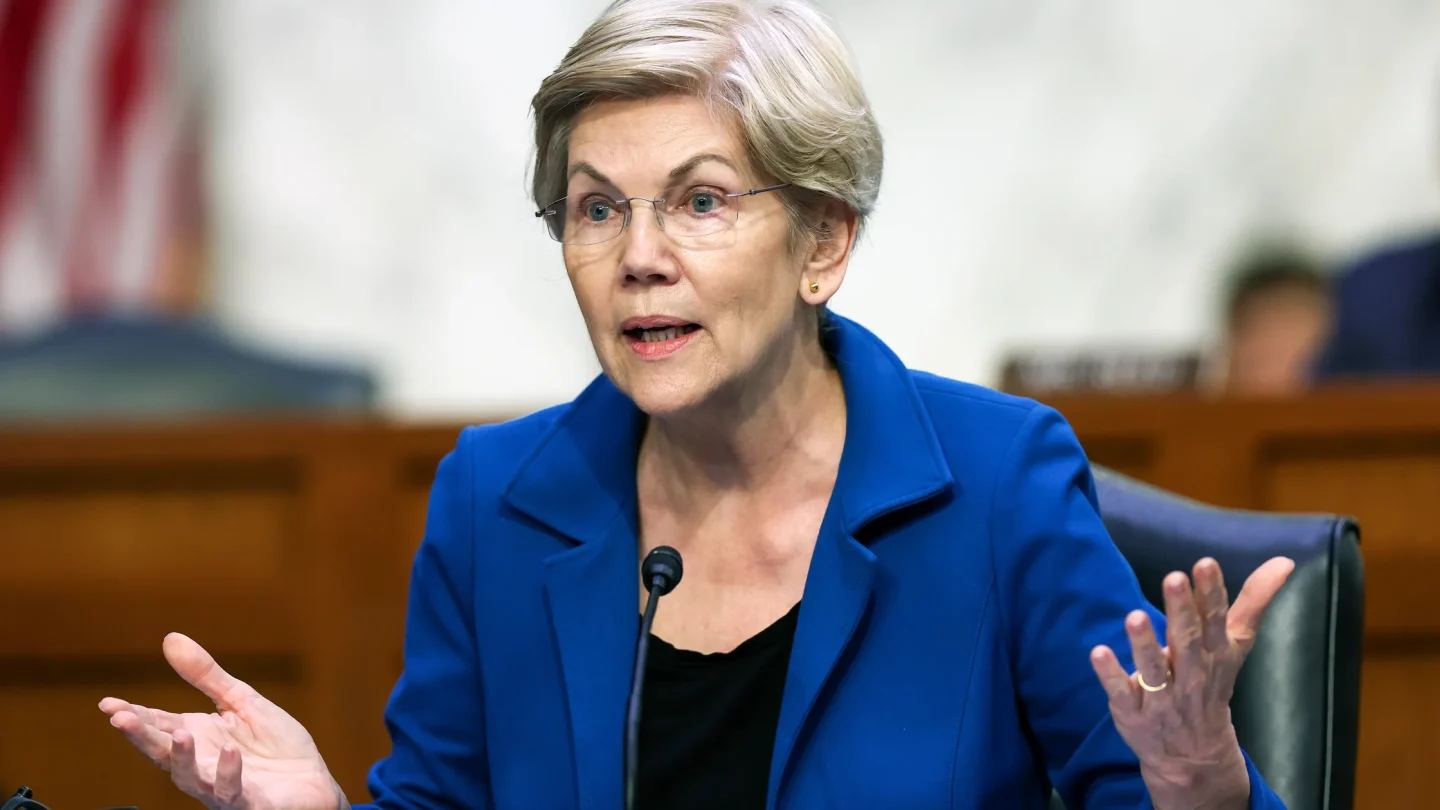
U.S. Senator Elizabeth Warren accused major artificial intelligence companies of pressing the Trump administration to limit regulatory access to information about AI models through changes to the U.S.-Mexico-Canada Agreement, turning a trade negotiation into a dispute over technology oversight.
Warren, the top Democrat on the Senate Banking Committee, argued in a letter to U.S. Trade Representative Jamieson Greer that large technology companies want stronger protections that would allow them to keep algorithms and source code away from regulatory scrutiny. Her position is that regulators should have broader access to key model information, including outside the narrow context of a formal government investigation.
The current debate centers on how digital trade provisions in the USMCA should treat proprietary AI systems. Industry groups have opposed forced disclosure of sensitive technical information, warning that broad access requirements could expose trade secrets, weaken competitiveness and complicate cross-border digital commerce.
Warren framed the issue differently, saying that secrecy provisions could leave regulators without the tools needed to examine high-risk AI systems before harm occurs. The dispute places AI companies' intellectual property claims against an emerging policy demand for transparency, accountability and public-safety oversight.
The matter is significant for corporate strategy because trade agreements can shape the legal environment in which technology firms operate across borders. If the USMCA were updated with stronger limits on disclosure, AI firms could gain a broader shield against regulatory requests in the United States, Mexico and Canada.
For governments, the question is whether trade rules designed to protect software and source code can coexist with expanding oversight of automated systems used in sensitive economic, consumer and public contexts. The result could influence how regulators request technical evidence from AI developers in future investigations, audits or compliance reviews.
The U.S. Trade Representative and industry groups had not publicly resolved the dispute at the time of the report. The next step will depend on how negotiators handle digital trade language in any USMCA update and whether lawmakers can turn political pressure into binding oversight requirements.