
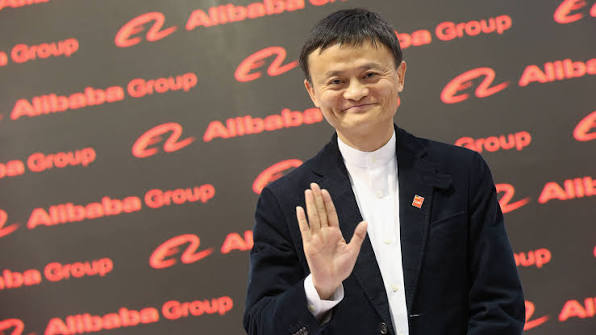
Alibaba has launched a Hong Kong share placement with aggregate consideration of HK$80 billion, about $10.2 billion, to finance artificial-intelligence development. The transaction is a proposed capital raise subject to market and other conditions, not operating revenue.
The company plans to sell 710 million newly issued ordinary shares at HK$112.70 each. The price is about 3.6% below the relevant prior market level and would increase the ordinary share count by roughly 3.9%, creating dilution for existing holders.
Alibaba says all net proceeds will go to its full-stack AI capabilities, including semiconductors, computing infrastructure and the development and deployment of models. The placement is offered to eligible non-US persons in offshore transactions under Regulation S.
If completed at the announced size, it would be the largest primary follow-on offering by a Hong Kong-listed company and the third largest globally in 2026, behind share sales by Alphabet and Intel. Strong demand, including from sovereign wealth funds, contributed to an increase in size.
Morgan Stanley, HSBC, UBS and China International Capital Corporation are acting as joint bookrunners. Their role is to place the shares with investors; it does not remove market risk or guarantee returns from the AI programme.
The financing builds on Alibaba’s commitment to spend at least Rmb380 billion over three years on cloud and AI infrastructure. By the end of June, the group had deployed roughly half that amount, and management has indicated spending may exceed the original commitment if computing demand continues to rise.
In the June quarter, revenue rose 9% to Rmb268.95 billion and AI cloud and compute-services revenue increased 45% to Rmb48.44 billion. At the same time, capital expenditure climbed 75% to Rmb67.68 billion and net profit fell about 75% to Rmb10.5 billion.
The placement therefore trades near-term dilution for additional capacity to invest across chips, data centres, cloud services and models. Whether the strategy creates durable value will depend on AI demand, monetisation, operating efficiency and competitive conditions after the capital is deployed.