
Basic-materials markets presented a divided picture, with construction progress in U.S. lithium, a weather-driven production cut in Chilean copper, and price gains in gold and palm oil. The moves did not share a single cause: project execution, trade costs, rainfall, monetary expectations, inventories and seasonal demand each shaped a different segment.
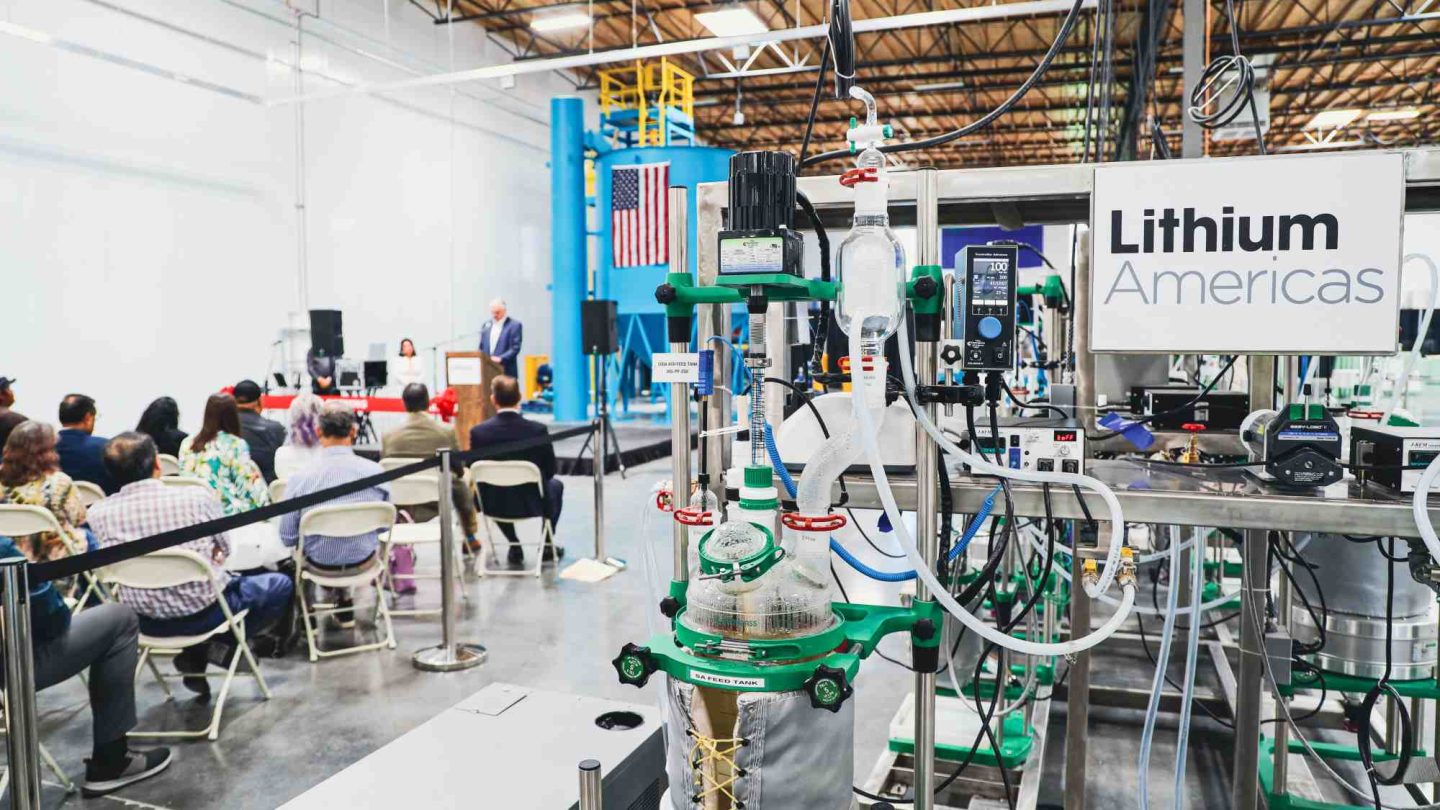
Lithium Americas said detailed engineering at the Thacker Pass project in Nevada was more than 95% complete and procurement exceeded 80%. Mechanical completion remained targeted for late 2027. Those milestones reduce design and purchasing uncertainty, but they do not eliminate construction, commissioning or ramp-up risk.
The project faces an estimated $80 million to $100 million of potential exposure from tariffs and Middle East shipping reroutes. Lithium Americas nevertheless maintained 2026 capital-spending guidance of $1.3 billion to $1.6 billion, reported $1.3 billion in reserves and added a $175 million convertible-debenture facility. Its Toronto shares rose 6.6% to C$4.84.
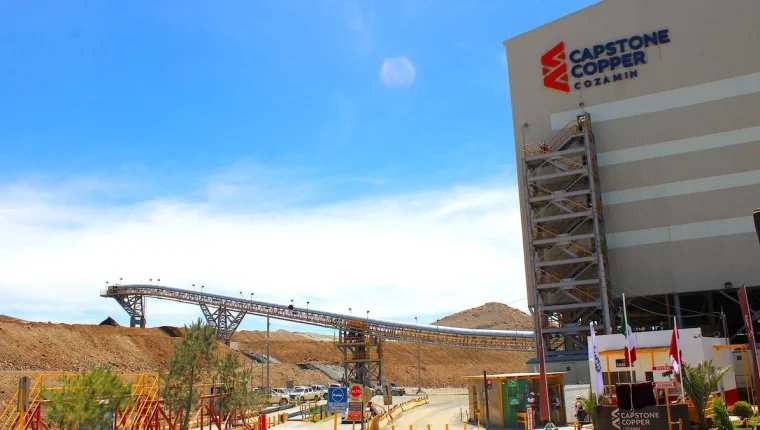
Antofagasta slightly exceeded earnings expectations but reduced its full-year copper-production guidance to 625,000–655,000 metric tons from 650,000–700,000. Heavy rain disrupted operations in Chile, turning a local weather event into a lower supply forecast. The shares fell 5.6% as investors weighed the earnings beat against reduced volume.
Gold gained 0.5% to $4,433.11 an ounce after softer U.S. producer inflation reduced expectations of an imminent Federal Reserve rate increase. Lower rate pressure can support a non-yielding asset, but the move remained sensitive to subsequent inflation data, bond yields and geopolitical demand for defensive holdings.
Palm-oil futures also advanced as Indian buying strengthened before seasonal festivals. The October contract reached 4,724 ringgit a metric ton. High inventories limited the rise, while uncertainty around U.S.-Iran negotiations added another channel through energy prices and shipping conditions rather than guaranteeing a sustained agricultural rally.
The contrast across the complex is important. Lithium equity performance responded to construction and funding visibility; copper reacted to physical output guidance; gold to real-rate expectations; and palm oil to consumption, stocks and geopolitical risk. Treating them as one uniform commodity trade would obscure the different transmission mechanisms.
All values describe a market snapshot and several inputs remain provisional. Thacker Pass must still control cost and schedule through completion, Antofagasta’s final output depends on operating recovery, and gold and palm oil can reverse with rates, inventories or diplomacy. The common theme is repricing around constraints, not a synchronized materials boom.