
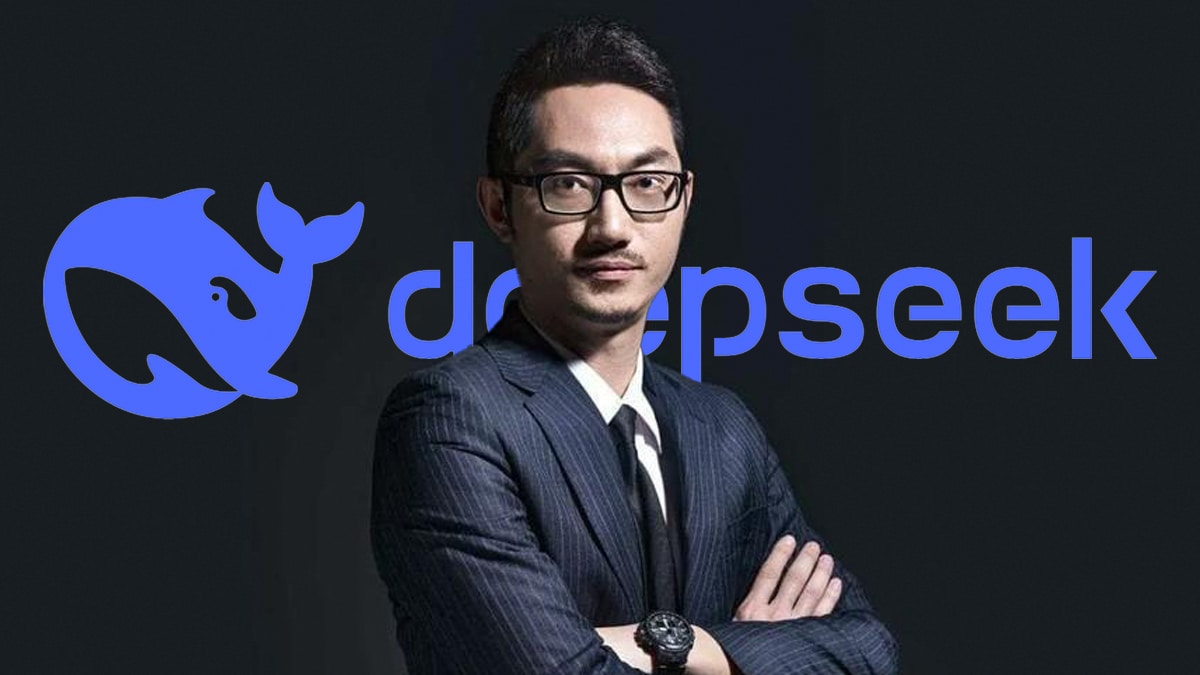
Chinese artificial-intelligence developer DeepSeek has reportedly resumed its second funding process, seeking close to USD 8 billion at a valuation of about USD 74 billion. The discussions are still under way, the terms could change and the company has not publicly confirmed the transaction. The headline figures therefore describe a proposed round, not capital already subscribed or transferred.
The prospective financing follows DeepSeek’s first external round, completed near the end of May at about USD 7 billion and a USD 52 billion valuation. Preliminary discussions reported in mid-July had placed a possible second round near a USD 71 billion pre-deal valuation. The latest indication would increase both the target raise and the valuation, compressing two exceptionally large private financings into a matter of months.
DeepSeek paused the second process in late July after viral comments about US-China AI competition were attributed to founder Liang Wenfeng. The alleged transcript was not verified and the parties to the purported meeting were unidentified. Claims that Liang discussed dependence on Nvidia chips and China’s technological gap with the United States therefore cannot be treated as authenticated company guidance or as a confirmed explanation for the pause.
The renewed talks follow the release of DeepSeek’s V4 Flash model, which attracted attention for its balance between computing cost and performance. That positioning echoes the company’s rise in January 2025, when an earlier model challenged assumptions about how much advanced hardware was required to compete with leading US systems. The current financing test is whether investors will price that technical reputation as durable commercial advantage.
Capital requirements are becoming less compatible with the image of a low-cost model developer. DeepSeek has been associated with plans to construct its own data centre and acquire more processors, two uses that can consume billions before they generate capacity. Access to advanced chips is also exposed to US export controls and supply concentration, so the size of the proposed raise reflects infrastructure risk as much as software expansion.
The company’s annualised revenue base was reported in July at between USD 400 million and USD 500 million, driven largely by cloud access to its models through application programming interfaces. Annualised revenue extrapolates a recent run rate; it is not the same as audited revenue collected over a full year. Even at the top of that range, a USD 74 billion valuation would embed expectations of rapid growth, strong margins and sustained demand for paid inference.
A larger balance sheet could fund independent compute, model development and competition for technical staff, while also preparing DeepSeek for a possible public listing. It could also increase execution pressure: data-centre construction can slip, chip supply can tighten, API pricing can fall and rivals can reproduce cost-performance gains. None of the reported valuation, fundraising target or listing ambition guarantees a closing or establishes the final rights granted to investors.
The next evidence will be a confirmed investor group, signed terms, final valuation and disclosure of how equity proceeds are allocated between chips, facilities and operations. Investors will also need to distinguish model popularity from recurring paid usage and annualised sales from recognised revenue. Until those details emerge, the resumed round signals DeepSeek’s capital intensity and negotiating ambition, but not completion of an USD 8 billion financing.