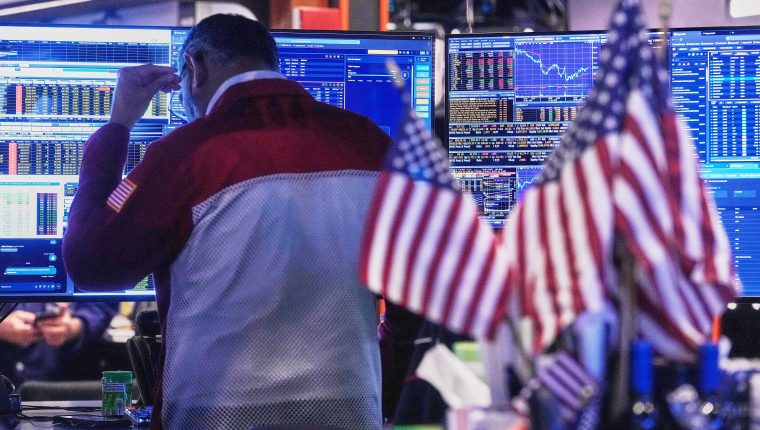

Wall Street closed Friday with no single direction, but the session's internal split showed where pressure was accumulating. The S&P 500 added 3.68 points, less than 0.1%, to 7,411.98, while the Dow Jones Industrial Average gained 235.60 points, or 0.5%, to 51,947.25. The S&P nevertheless completed a second consecutive weekly decline, its first such sequence since March.
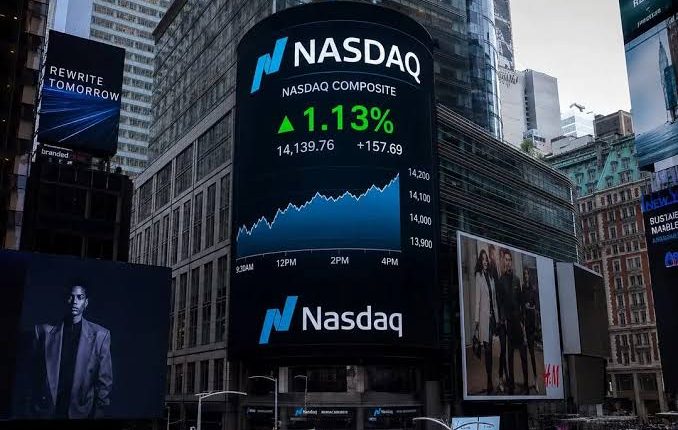
The Nasdaq Composite fell 161.87 points, or 0.6%, to 24,975.82 as large semiconductor names dragged on the index. Micron Technology lost 7% and Broadcom declined 2.7%. Their market weight was enough to restrain the broader market even though more S&P 500 constituents rose than fell, exposing a gap between index-level performance and underlying breadth.
Energy prices supplied a temporary counterweight to inflation fears. Brent crude fell 3.9% to $96.78 a barrel after trading above $100 on Thursday, its first decline of the week. The benchmark had been near $72 before the conflict with Iran began in late February, so the daily retreat did not erase the much larger increase facing companies and households.
The risk premium remains tied to the Middle East and the possible disruption of oil and gas flows. Prolonged closure of the Strait of Hormuz would hit a market with weaker buffers than earlier in the year, including reduced U.S. strategic reserves. That leaves transport costs, industrial energy bills and consumer fuel prices exposed to a renewed escalation.
Bond markets offered limited relief. The ten-year U.S. Treasury yield eased to 4.68% from 4.71%, lowering the discount-rate pressure applied to equity valuations. Yet a new round of U.S. tariffs covering almost all imports threatens to raise costs for importing companies, which frequently transfer at least part of the increase to customers.
The combination of tariffs and expensive energy is reshaping expectations for the Federal Reserve. Markets assigned nearly a 38% probability to a rate increase at the coming meeting and expected at least one hike before year-end. National gasoline prices stood at $4.10 a gallon, almost one dollar above their level a year earlier, limiting discretionary household spending.
Corporate results did not remove the doubts. American Express fell 4.3% even after reporting higher quarterly profit and maintaining its annual forecast, as heavier spending to retain affluent customers sharpened questions about future margins. Investors are applying the same test to large technology groups whose valuations depend on continued earnings expansion.
Artificial-intelligence investment is now part of that test. Alphabet and Nvidia have committed large sums to AI infrastructure, but markets increasingly want evidence that the expenditure will produce returns matching their valuations. The next phase will be defined by the Federal Reserve decision, the durability of the oil retreat and company guidance on tariffs, energy and AI-related capital costs.