

MERA Oil, a consortium of U.S. and Saudi companies, plans a $5 billion refinery in the Persian Gulf with capacity to process 200,000 barrels of crude per day. The project remains at the site-selection stage rather than construction.
The consortium includes Texas-based MWG Group, the Patel Family Office and PWS, a company associated with Saudi AHQ Group. It has shortlisted three possible locations within the six-member Gulf Cooperation Council.
Location is the project’s defining strategic choice. MERA says the complex will sit outside the Strait of Hormuz, reducing dependence on the maritime chokepoint that carries a large share of regional hydrocarbon exports and has faced heightened security risks.
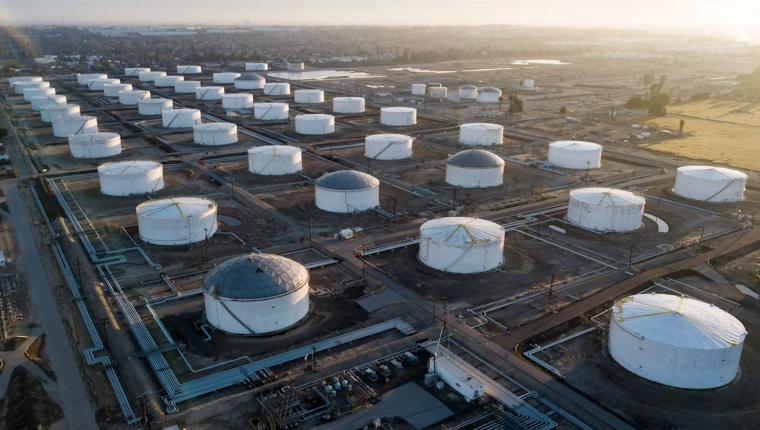
The proposal extends beyond a processing plant. Plans include a deepwater port, crude and product storage, and export infrastructure, allowing the complex to receive feedstock and ship refined fuels through an integrated logistics system.
At a later stage, the partners may add sustainable aviation fuel processing and carbon-management facilities. Those components are options, not committed capacity, and will depend on investment decisions after the core refinery advances.
The plan emerges as refined-fuel supply tightens. Saudi Aramco’s 400,000-barrel-a-day Jazan refinery was shut after a Houthi strike, while conflict in the Gulf, Red Sea and Russia pushed refining margins sharply higher.
A site outside Hormuz reduces one transit exposure but does not eliminate regional construction, security or feedstock risks. The consortium must still secure land, permits, financing, engineering contractors, crude supply and long-term buyers before the announced capacity becomes operational.
The next concrete milestone is selection of the host GCC state. That decision will determine port access, regulation, fiscal terms and supply routes. Until financing and a final investment decision are disclosed, the $5 billion figure describes project ambition rather than committed expenditure.