
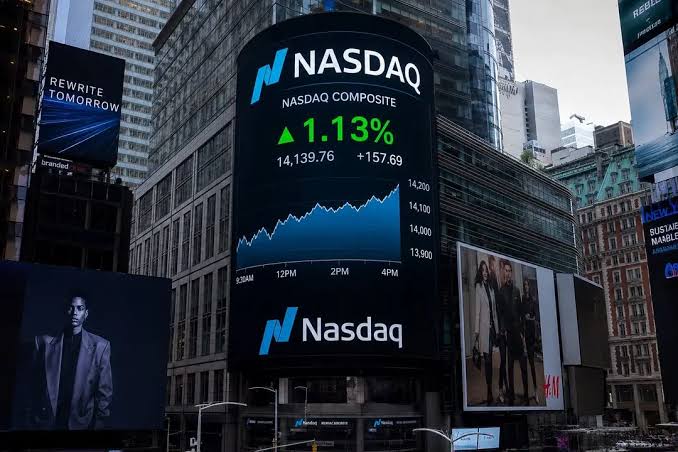
The Nasdaq Composite rose 2.26% to 27,122.09 on Monday, posting its first record-high close since June 2 as optimism around artificial intelligence returned to large technology shares. The S&P 500 gained 1.49% to 7,764.70 and the Dow Jones Industrial Average advanced 0.71% to 52,048.83.
Semiconductor stocks led the move. The Philadelphia semiconductor index climbed 4.3%, Intel gained 12.2% and Arm Holdings rose 17%. Advanced Micro Devices added about 10% and reached a market capitalization of $1 trillion for the first time, a valuation milestone rather than a new revenue measure.
Investors focused on signs that spending on AI infrastructure was still expanding after safety warnings from industry leaders had triggered a technology selloff the previous week. The rebound therefore reflected renewed confidence in demand and capital expenditure, not proof that the underlying safety debate had been resolved.
Meta rose 11.4% after Wells Fargo increased its price target following the launch of the Muse AI assistant. Price-target changes can influence positioning, but they remain analyst judgments and do not establish adoption, revenue or profitability for a newly introduced product.
Falling energy prices and bond yields broadened the support. Brent crude dropped below $100 during the session to an 11-day low and later settled at $100.34 a barrel. The benchmark U.S. 10-year Treasury yield also moved below the psychologically important 5% threshold.
Hopes for diplomatic progress in the Middle East helped reduce the immediate energy premium after U.S. President Donald Trump said he was open to meeting Iranian President Masoud Pezeshkian at the United Nations General Assembly. An expressed willingness to meet was a signal, not a completed negotiation or ceasefire.
Monetary policy remained a constraint. The Federal Reserve had raised rates the previous week for the first time in three years, and traders assigned about a 50% chance to another increase the following month. Comments from at least ten central-bank policymakers were due during the week.
The record close combined strong AI enthusiasm with relief from oil and yields, but the drivers can reverse independently. Future performance will depend on corporate spending, earnings delivery, energy diplomacy and the actual interest-rate path rather than on one session’s valuation surge.