
Brazil has formally requested consultations with the United States under the World Trade Organization's dispute-settlement system, challenging tariffs introduced by the Trump administration in July. The case covers a 25% duty on selected Brazilian goods, justified by Washington as a response to unfair trade practices, and additional tariffs of up to 12.5% linked to allegations of weak enforcement against forced labour.
The combined exposure is material even though the measures do not cover all Brazilian shipments. Government calculations indicate that 23.1% of exports to the United States are affected by the new tariffs and that 16.5% face a combined rate of 37.5%. Those figures define the immediate commercial perimeter for exporters, importers and supply chains pricing the additional border cost.
Brazil's Foreign Relations Ministry argues that the measures are unjustified and inconsistent with U.S. obligations under the General Agreement on Tariffs and Trade 1994 and the WTO's Dispute Settlement Understanding. By grounding the challenge in those agreements, Brasília is contesting both the tariff treatment and the legal basis Washington used to impose it.
A consultation request is the opening procedural stage, not a judgment against the United States. It gives both governments an opportunity to exchange legal positions and seek a negotiated solution. If the discussions do not resolve the dispute within the applicable WTO timetable, Brazil may request a panel to examine the claims and issue findings.
The litigation route also creates a longer horizon than the commercial shock itself. Companies must absorb, pass through or reroute around tariffs while governments argue over legality. A successful challenge would not automatically compensate firms for business already lost, and the path from consultations to an enforceable outcome can be prolonged by appeals and compliance disputes.
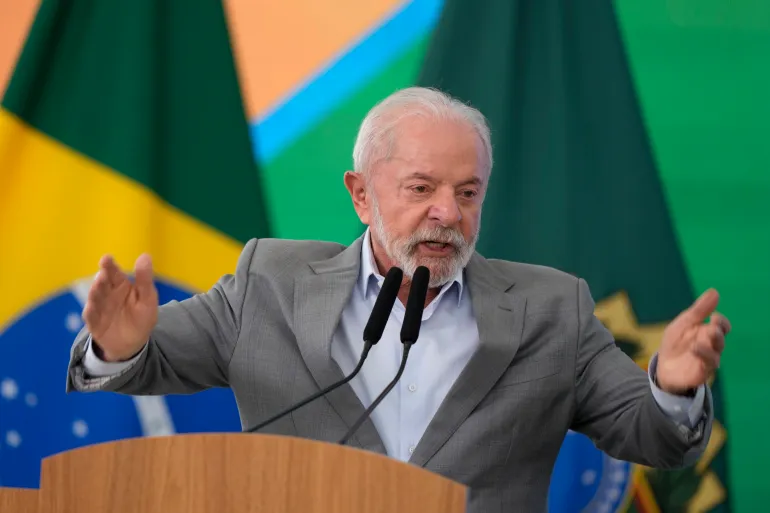
President Luiz Inácio Lula da Silva's government had announced that it would use the WTO and had pursued a similar response to an earlier round of Trump tariffs. Those previous measures were later struck down by the U.S. Supreme Court, but the new filing requires a separate assessment because it involves a new tariff package and stated legal rationales.
The dispute is unfolding as Brazil accelerates trade-diversification efforts through Mercosur and bilateral economic relationships. Those initiatives do not immediately replace access to one of Brazil's key markets, but they reduce dependence on a single destination and strengthen Brasília's argument that commercial policy should remain rules-based rather than driven by unilateral penalties.
The next steps are specific: Washington must engage with the consultation request, both sides must define whether a negotiated adjustment is possible, and Brazil must decide whether to seek a WTO panel if talks fail. For affected businesses, the decisive variables are the duration of the 37.5% combined rate, the products that remain covered and whether any bilateral or judicial action changes the tariff before the multilateral process concludes.