
Trade barriers force a structural adjustment across Canada’s economy
New tariffs are redirecting production and trade, giving some Canadian exporters a relative U.S.-market advantage while raising costs and uncertainty across the economy.

Brent and WTI were on course for weekly gains of 3.4% and 4% after Washington raised the prospect of an indefinite blockade of Iran, although weaker demand forecasts and a record-sized U.S. inventory build limited the signal.
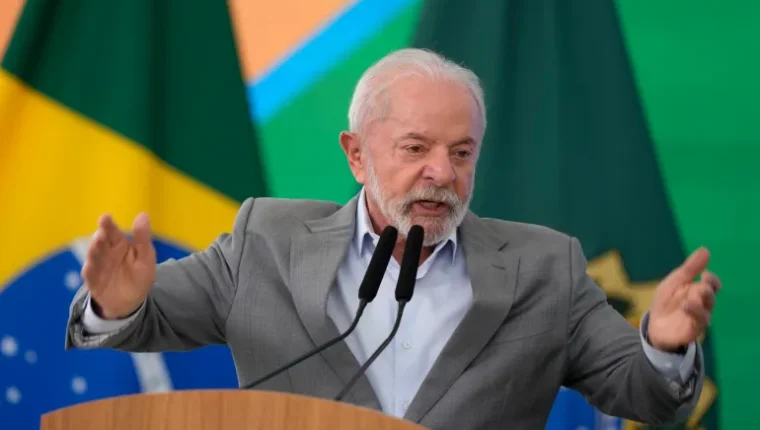
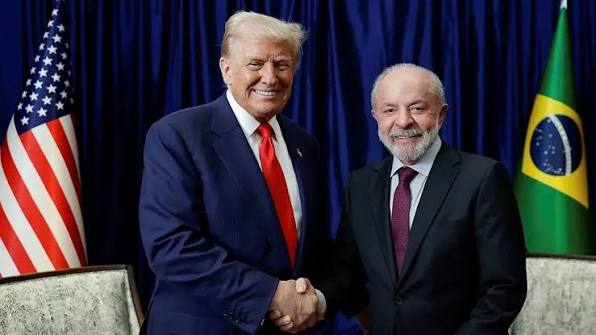
President Luiz Inácio Lula da Silva invoked Brazil’s economic reciprocity mechanism and requested consultations with Washington, but the procedural step does not itself impose counter-tariffs.
The 18-month initiative counts eligible lending, investing, capital-markets and advisory activity across digital, energy and core infrastructure, making the headline amount a mobilization target rather than a dedicated cash fund.
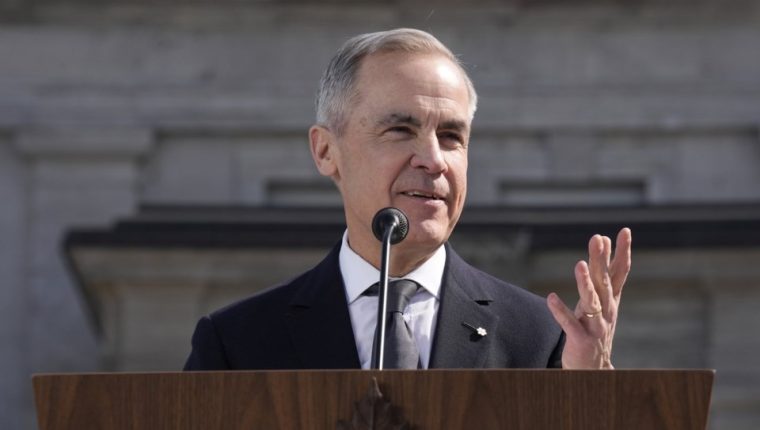
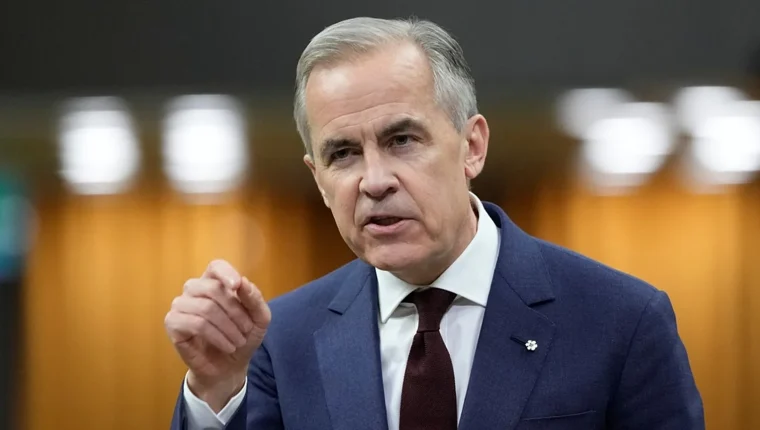
Prime Minister Mark Carney says Canada remains in talks with the United States despite an increasingly hostile exchange with President Donald Trump. Existing US duties already cover Canadian steel, aluminum and automobiles, while a threatened 50% tariff on additional goods is scheduled for August 19 but is not yet in force.
The S&P 500 gained 0.7% and the Nasdaq 1% as Amazon jumped 15.3%, while Brent at $87.93, a 4.71% Treasury yield and extreme Korean chip volatility kept inflation and AI valuation risks in view.
New 10% and 12.5% forced-labor duties on 60 trading partners replace an expiring temporary tariff and begin a broader shift toward Section 301 and national-security investigations.
Brazil formally requested WTO consultations over a 25% U.S. tariff and an additional levy of up to 12.5%, opening a dispute that could advance to a panel if bilateral talks fail.
The Justice Department may initially request fewer records in selected transactions and seek more only if needed, aiming to shorten review without changing the legal test for competitive harm.
JPMorgan Chase reported stronger-than-expected quarterly earnings, with record-level profit, robust markets revenue and resilient consumer activity. The results reinforce how large U.S. banks are benefiting from active trading desks, investment banking momentum and household spending despite a still complex macroeconomic backdrop.
TSMC plans to invest an additional $100 billion in U.S. chip manufacturing, bringing total commitments to $265 billion. The world's largest contract chipmaker also raised its 2026 revenue forecast to above 40% after posting record $22 billion quarterly profit, driven by surging AI demand.
The U.S. will impose 25% tariffs on Brazilian imports starting July 22, following a yearlong investigation into unfair trade practices. The order exempts coffee, beef, oranges and aerospace parts. President Lula called the move unjustifiable and vowed retaliation, while Secretary Rubio accused Brazil of bad-faith negotiations.