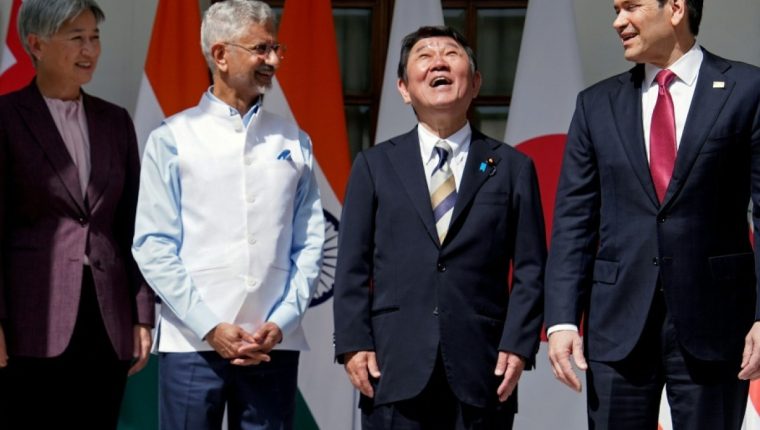

Hong Kong is hosting the fifth Global Financial Leaders’ Investment Summit from November 2 to 4 under the theme “Rethinking the Playbook.” The Hong Kong Monetary Authority expects about 280 global financial leaders, including roughly 120 group chairpersons and chief executives. The attendance gives the meeting signaling value, but an invitation-only gathering does not itself generate investment decisions or measurable capital flows.
The program begins with a welcome dinner on November 2, followed by the main summit on November 3. A “Conversations with Global Investors” forum on November 4 is jointly organized with the Securities and Futures Commission and the Hong Kong Academy of Finance. The sequence is designed to connect macroeconomic debate, portfolio strategy and the city’s financial-center positioning.
Geopolitical friction is one reason the old playbook is under review. Renewed threats of strikes on Iran, risks to shipping and energy, trade restrictions, fragmented supply chains and security-driven industrial policy complicate the normal relationship between growth, inflation, interest rates and asset prices. A portfolio that appears diversified by sector may still share exposure to energy, funding or geopolitical shocks.
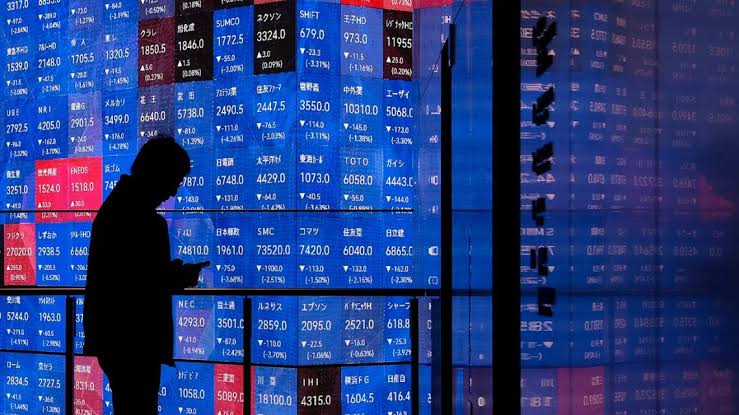
Artificial intelligence creates a second fault line. Hundreds of billions of dollars are being committed to chips, data centers and power, while investors are asking whether productivity and profit will arrive quickly enough. Friday’s technology selloff sharpened that question. AI also changes labor demand, competitive concentration, cyber risk, regulation and the cash-flow profile of companies financing long-lived infrastructure.
The participant list includes leaders from HSBC, Blackstone, Morgan Stanley, Goldman Sachs, Citi, Standard Chartered and UBS, alongside large asset owners. Their public remarks can reveal how banks and investors are adjusting risk limits, geographic exposure, private-market allocations and technology spending. Still, panel statements are not binding mandates and may differ from actual portfolio actions.
For Hong Kong, the summit is also an exercise in financial diplomacy. The city wants to reinforce its position as the principal offshore renminbi hub, deepen fixed-income markets and expand digital-asset, payment, gold and commodities businesses. It is presenting these channels as complementary links between mainland China and international capital rather than a single dependence on equity listings.
That positioning faces a demanding test. Geopolitical tension can deter some institutions even as market access, liquidity and Chinese opportunity attract others. Elevated global rates and fiscal debt make financing more selective. Digital assets and AI can create new activity, but they also require credible supervision, cybersecurity and cross-border data rules to become durable institutional markets.
The meaningful evidence will come after the panels: changes in asset allocation, issuance, trading volumes, regional mandates, fund launches, regulatory cooperation and actual investment projects. Strong attendance demonstrates convening power and a willingness to maintain dialogue. It does not prove that Wall Street sentiment toward Hong Kong, China or AI risk has improved until capital and business decisions follow.