
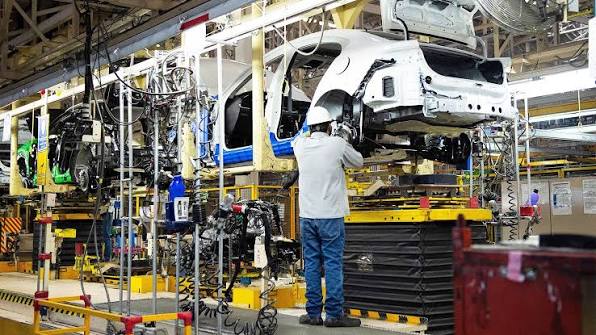
Chery has completed the acquisition of Nissan’s former Rosslyn factory near Pretoria, giving China’s largest automobile exporter an installed manufacturing base in South Africa. The company plans to use the site for plug-in hybrids, battery-electric vehicles and models sold under its Jetour brand, moving from a sales-led presence toward local industrial production.
The purchase offers a faster route into manufacturing than building a greenfield plant. Rosslyn provides land, factory infrastructure and an automotive workforce that can be retooled for new products, although converting a combustion-engine facility for electrified vehicles remains technically demanding. Neither the acquisition price nor the investment required for conversion, future capacity or a firm production schedule was disclosed.
Chery is not entering an empty field. Beijing Automotive Group already operates a manufacturing and assembly facility in Gqeberha, while Great Wall Motor has localized assembly and component-distribution capacity. Even so, Chinese production on the continent remains at an early stage, and the Rosslyn transaction is important because it replaces a legacy manufacturer with a Chinese owner at an established industrial site.
The strategic pressure comes from both ends of the trade route. Chinese factories can make more vehicles than the domestic market absorbs, while tariffs and political resistance are rising in Europe and North America. Africa offers rapid urbanization, a growing middle class and demand for relatively affordable vehicles, making local production a way to bypass import duties and position inventory closer to customers.
South Africa, Morocco, Kenya, Ethiopia and Ghana are among the markets best placed to attract this capital because they combine industrial capability, supportive policy or improving electricity systems. Ethiopia has barred imports of fossil-fuel vehicles and applies lower duties to locally assembled electric vehicles. South Africa instead uses customs rebates, production-linked credits, cash support and tax incentives for electric- and hydrogen-vehicle manufacturing.
The industrial prize extends beyond final assembly. Local factories can stimulate component suppliers, charging networks and battery production while reducing the duties embedded in imported vehicles. Morocco’s planned large-scale battery factory, Zimbabwe’s lithium resources and the African Union’s Green Minerals Strategy point toward a regional chain that processes more minerals and captures more manufacturing value before export.
Energy security strengthens that case but also exposes its main constraint. Many African economies import refined fuel, consuming foreign currency and pressuring budgets and exchange rates; locally made electric vehicles could reduce part of that dependence. Yet widespread adoption requires clean, reliable and affordable power, as well as charging sites located where drivers and commercial fleets can actually use them.
Rosslyn therefore gives Chery a tangible foothold, not a guaranteed African manufacturing system. The next tests are the scale and timing of retooling, the first models to leave the line, the share of locally sourced components and the durability of tax and tariff policy. Until those elements are visible, the acquisition is a strategic platform whose industrial impact remains to be executed.