
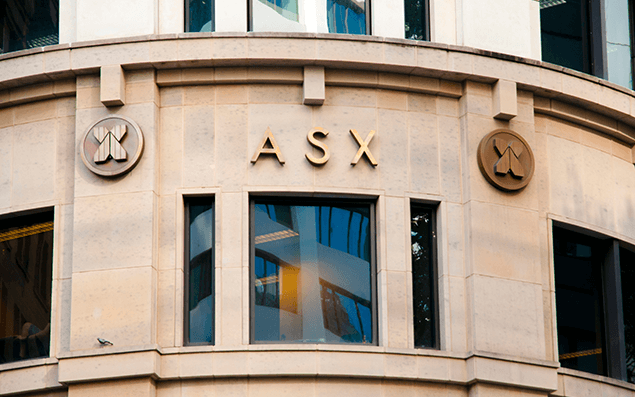
Australian equities reached a new closing record, but the session was less uniform than the headline suggested. The ASX 200 gained 82 points, or 0.90%, to 9,227.80, surpassing its previous February peak of 9,202.90. The broader All Ordinaries added 93.50 points, or 1.00%, to 9,405.40.
Large miners supplied much of the index-level momentum. BHP rose 3.34% to A$62.54, Rio Tinto advanced 2.29% to A$176.34 and Fortescue gained 0.61% to A$18.19. Their heavyweight positions meant that a strong materials session could lift the benchmark even while several other large sectors fell.
Gold producers strengthened the rally as the underlying metal price increased. Northern Star Resources climbed 5.76% to A$21.49 and Evolution Mining added 6.28% to A$12.52. The move linked the record close to commodity pricing as well as to domestic equity demand, leaving part of the gain exposed to a reversal in metals.
International signals also supported risk appetite. The S&P 500 and Dow Jones had closed at records amid expectations that United States–Iran talks could restore freer shipping through the Strait of Hormuz. Brent crude traded around USD 76–78 a barrel after those comments, although the prospect of an agreement was not the same as a completed settlement.
Falling oil prices pulled the Australian energy sector down about 2%, while the four major banks also retreated. Commonwealth Bank lost 1.38%, National Australia Bank and Westpac each fell 0.75%, and ANZ declined 0.42%. With only six sectors finishing higher, the record reflected strong index weights rather than broad participation.
Information technology was the strongest sector, gaining 3.93% and adding a second engine beyond mining. Company-specific news produced other large moves: Neuren Pharmaceuticals jumped 16.28% after quarterly sales of its Rett syndrome treatment rose 30% from a year earlier, while IperionX rebounded 8.95% following an earlier sell-off.
The market also displayed clear losers. Endeavour Group fell 1.44% after preliminary underlying net profit declined to A$363 million from A$426 million. The Australian dollar slipped to 70.45 US cents, showing that the equity record did not coincide with an across-the-board strengthening of Australian assets.
Investors now need to test whether materials earnings, gold prices and selective technology performance can broaden the advance. The ASX’s lower concentration in global artificial-intelligence leaders may offer diversification, but the session also showed the benchmark’s dependence on miners and financial weights. A record level alone does not establish durable market breadth.