
Commodity markets opened November with divergent price signals rather than a single risk trend. Early Monday, January Brent traded about 3% lower near $110 a barrel after moving above $114 on Friday. Gold recovered roughly 1% to $3,915 an ounce after a sharp October decline, while copper rose following a two-day correction. Each move was driven by a different combination of geopolitics, positioning and physical supply.
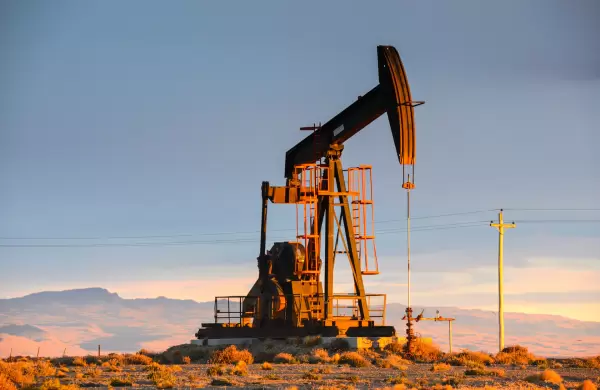
Oil responded first to diplomacy. Qatari and Iranian officials had met for a third consecutive day, and reports indicated that the United States favored giving negotiations more time before any renewed strikes after the midterm elections. The talks lowered the immediate probability assigned to another escalation, but attacks on vessels near the Strait of Hormuz showed that supply and shipping risk had not disappeared.
The structure of the oil market remains vulnerable to reversals. OPEC+ kept its output targets unchanged through December, leaving geopolitical access to Gulf barrels as the dominant short-term variable. A forecast raised December Brent to $105 and estimated an $88 average for 2027, but those figures are analyst scenarios, not guaranteed prices. Actual flows, insurance, tanker availability and compliance with production targets will determine realized supply.
Gold’s rebound had a different origin. The metal rose about 1% after Friday’s fall below $3,970 pushed it to a one-year low and left October down 6.8%. Momentum selling and the liquidation of long positions amplified the decline as technology stocks weakened and energy costs rose. A bounce to $3,915 showed stabilization, not confirmation that the prior uptrend had resumed.
Silver gained about 2.3% to $50.20, another recovery after a heavy selloff. Precious metals must reconcile competing drivers: elevated geopolitical risk can support safe-haven demand, while higher real yields, a firm dollar or forced liquidation can depress prices. The direction depends not only on inflation expectations but on how leveraged positions and exchange-traded funds adjust after volatility.
Copper rose after two days of correction, supported by evidence that mine supply and immediately available metal remain tight. Chinese importers were paying record premiums over London prices. At the same time, China’s official manufacturing index fell to 49.3 from 50.1, returning to contraction, while concerns about AI investment reduced projected data-center demand. Strong physical premiums and weak macro demand can coexist.
That coexistence is important for industrial users. A lower futures price does not guarantee inexpensive prompt copper if inventories are in the wrong location or import premiums remain high. Likewise, lower Brent on a diplomatic headline does not immediately reduce delivered fuel costs if shipping and insurance stay disrupted. Commodity benchmarks summarize risk but do not fully describe procurement conditions.
The next evidence will be progress in negotiations, Strait of Hormuz vessel traffic, OPEC+ production, inventories, refinery and mine disruptions, Chinese premiums and manufacturing orders. Monday’s prices were time-specific observations. They show a market repricing probabilities rapidly, not a settled view that the oil shock has ended, gold has bottomed or copper demand is accelerating.