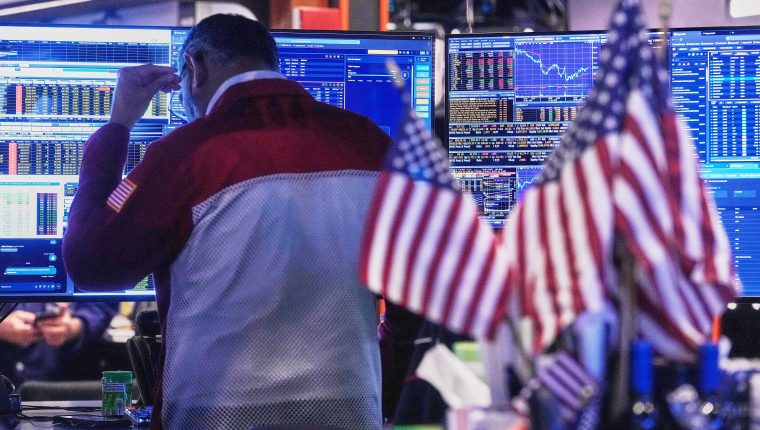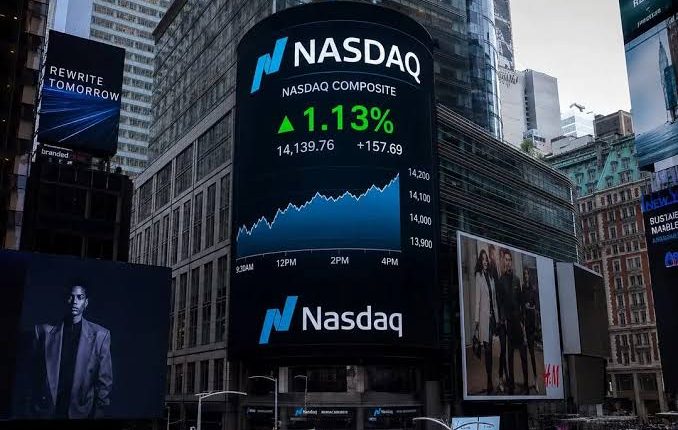


U.S. stocks ended August under pressure on Monday as renewed U.S.-Iran tensions pushed investors toward a more defensive posture. The Dow Jones Industrial Average fell 373 points, or 0.7%, while the S&P 500 and Nasdaq Composite recorded smaller declines.
The immediate catalyst was President Donald Trump’s warning of a forceful response after Iranian retaliatory strikes on U.S. bases in Jordan. Markets treated the statement as an increase in geopolitical and energy-supply risk, not as confirmation of a new military action already carried out.
Oil rose nearly 3% to $85.80 a barrel, while the 10-year U.S. Treasury yield climbed to 4.75%. That combination matters for equities because more expensive energy can reinforce inflation while higher bond yields raise the discount rate applied to future corporate earnings.
The retreat was not uniform. Micron Technology gained nearly 3% and recovered its 50-day moving average, while Sandisk rose 5.5% but remained below its own 50-day line. Nvidia added 1.4% after falling 4.6% on Friday, leaving the chip group internally divided rather than in a broad breakout.
Elon Musk-led companies also outperformed. Tesla jumped 5.5% and reclaimed its 50-day average, while SpaceX gained 1.6%. Those moves were company-specific counterweights to the index decline and do not show that the market had absorbed the wider geopolitical shock.
Futures for the Dow, S&P 500 and Nasdaq were little changed ahead of Tuesday’s open. The calmer overnight indication followed Monday’s losses, but futures are provisional prices and can change materially before or after the cash market begins trading.
Investors were also looking toward Friday’s August employment report. The consensus expected a net gain of 65,000 jobs and unemployment at 4.2%; after hawkish comments from Federal Reserve Chair Kevin Warsh, a stronger result could affect expectations for a possible September rate increase.
Earnings from Broadcom, Snowflake, Palo Alto Networks and Zscaler add company risk to the macro calendar. The session therefore combined three distinct signals: geopolitical pressure on the main indexes, strength in selected technology names and a bond market still sensitive to inflation and monetary policy.