
Spot gold fell 1.2% to $4,026.21 an ounce, while August U.S. futures declined 1.3% to $4,025.70. The metal remained just above the $4,000 area that has provided support since late June, making the current retreat a test of a well-defined trading range rather than a confirmed break below it.
A firm U.S. dollar supplied the immediate pressure. The currency held near a four-week high, increasing the local-currency cost of dollar-denominated bullion for buyers outside the United States. Physical demand was quiet, leaving professional positioning and macroeconomic expectations to dominate price formation.
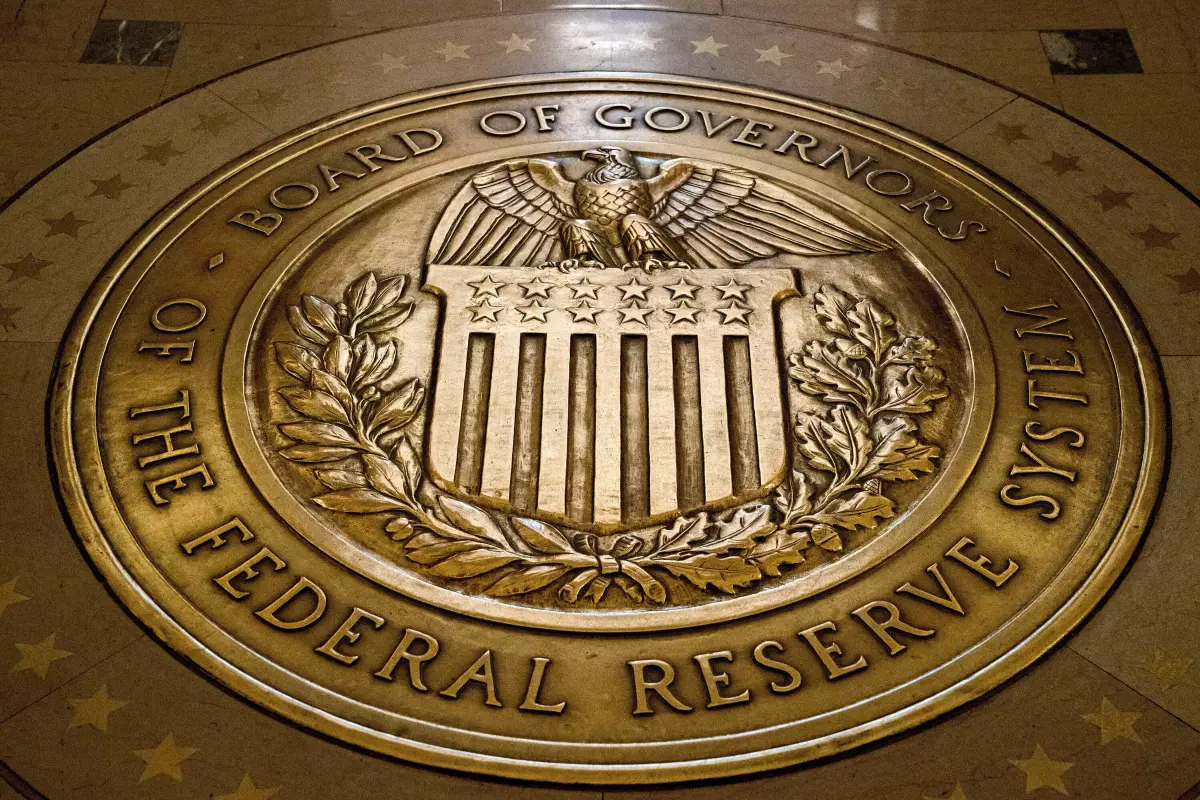
The Federal Reserve's decision on Wednesday is the principal scheduled catalyst. Futures pricing indicated a 36% probability of a 25-basis-point increase at the current meeting and roughly an 80% chance of a hike in September. That repricing raises the opportunity cost of holding gold, which produces no interest income.
President Donald Trump called for lower rates and argued that the United States should have the world's lowest borrowing cost. Market pricing moved in the other direction because energy expenses and tariff-related inflation risks have made an easing cycle less credible. The gap between political preference and monetary expectations adds event risk to the Fed statement.
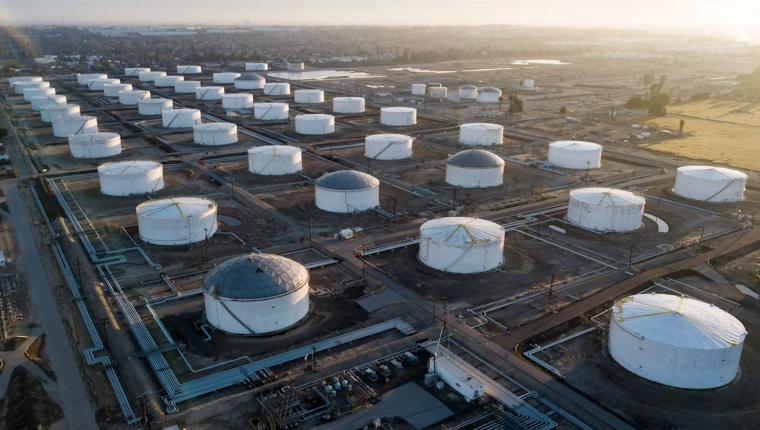
Oil connects geopolitics with the rates outlook. Washington and Tehran resumed negotiations after pausing strikes, and crude prices eased toward one-week lows on hopes of a settlement. Yet energy remains expensive enough to reinforce concern that inflation could require higher policy rates, a negative influence on gold despite the metal's role as a long-term inflation hedge.
Gold has therefore been caught between competing functions. Conflict risk supports demand for a haven, while a stronger dollar and higher yields reduce the attraction of a non-yielding asset. The tight range around $4,000 since late June suggests that neither side has yet established a durable advantage.
The weakness extended across precious metals. Silver fell 1.8% to $57.35 an ounce, platinum lost 2.1% to $1,587.90 and palladium declined 3.1% to $1,251.92. The synchronised move points to a broader rates-and-dollar pressure rather than an isolated change in gold fundamentals.
The next signals are concrete: the Fed's rate decision and language, the market's September probability, the dollar's reaction and the durability of the $4,000 gold floor. U.S.-Iran talks can alter oil and haven demand quickly, but a sustained breakout will require monetary, currency and geopolitical drivers to move in the same direction.