
Oil prices turned slightly higher after falling earlier, as traders balanced a new diplomatic effort in Tehran against renewed attacks and constrained regional flows. At 0918 GMT, Brent crude was up 45 cents, or 0.39%, at US$116.26 a barrel and WTI gained 40 cents to US$102.16.
Both contracts had traded about 1% lower earlier in the session, showing how quickly the market changed as participants assessed incoming political and security information. The quoted levels are an intraday snapshot, not settlement prices or proof of a sustained direction.
Officials from Saudi Arabia, Turkey and Pakistan met Iranian counterparts in Tehran and agreed to continue talks aimed at stronger cooperation on peace and security. The discussions encouraged expectations of broader US-Iran diplomatic progress, but a commitment to keep talking is not a ceasefire or supply agreement.
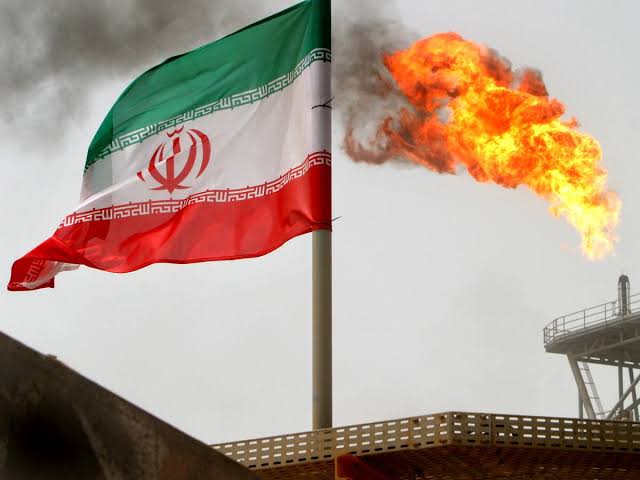
Security risks remained elevated after renewed attacks by Yemen’s Iran-aligned Houthi movement on Saudi Arabia. Iran had also been accused of attacks on tankers around the Strait of Hormuz. October recorded the most incidents involving commercial shipping in the strait and nearby waters since monitoring began in 2017.
Physical indicators reinforced concern. Gulf crude exports had declined for a fourth consecutive week, while flows through the Strait of Hormuz were estimated at about 60% of normal. Global distillate inventories were nearly 5% below their five-year average, tightening the cushion for transport fuels.
Brent had climbed above US$117 the previous week, its highest level since April, and touched that threshold again on Monday. Elevated prices therefore reflected both current logistical constraints and a premium for potential escalation, not only confirmed losses of production at a single facility.
Investors were also watching Israel’s general election because changes in foreign or trade policy could influence the regional conflict. Election outcomes can alter expectations, but they do not immediately change physical exports; implementation and military or diplomatic decisions remain necessary links.
The next evidence will be tanker movements, export volumes, official damage assessments, inventories and concrete results from diplomacy. The rebound demonstrated a market caught between de-escalation hopes and scarce supply buffers; it did not establish that negotiations will succeed or that disruption will deepen.