
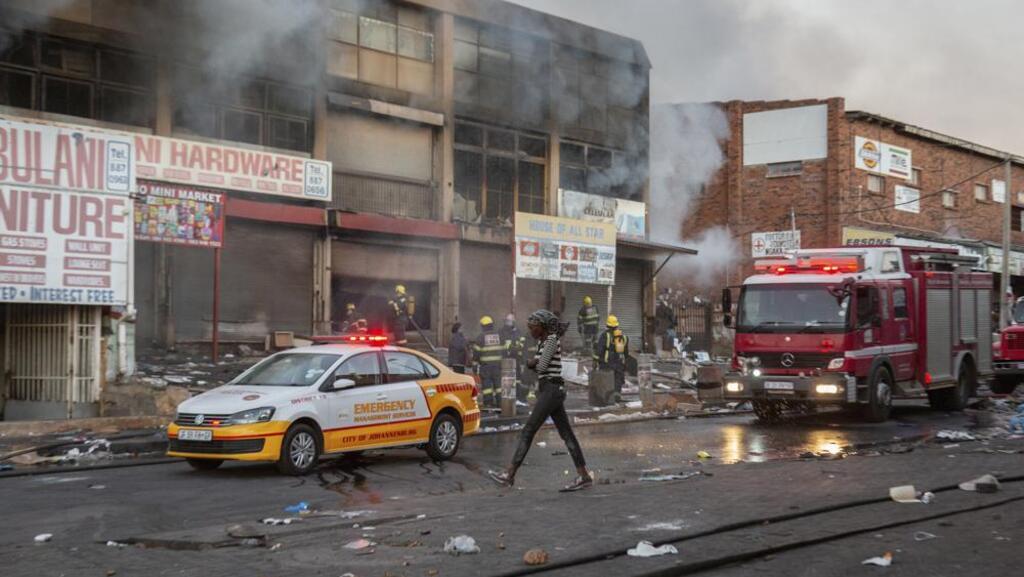
Johannesburg’s service breakdown is moving from a civic problem into corporate accounts. At Dickon Hall Foods in the city’s south, unreliable running water disrupted 25 production shifts at a plant that historically consumed about 240,000 liters a day to cook, make steam and clean equipment.
Parent company Libstar trucked water to the site, but the interruptions contributed to a 17 million rand, or about $1 million, shortfall against expected profit during the first five months of 2026. The group closed the Johannesburg plant and transferred production to the Western Cape within a planned restructuring.
One factory does not establish a citywide corporate exodus, yet it exposes the direct transmission mechanism: municipal failure becomes downtime, emergency procurement, lost output and relocation risk. That matters in a city estimated to host about 70% of Africa’s corporate headquarters.
Water is only one pressure point. Electricity, road maintenance and waste collection have also deteriorated, leading companies and affluent residents to fund boreholes, backup power, security and local cleaning. Businesses describe the result as paying twice—once through municipal charges and again for private substitutes.
Governance instability sits behind the infrastructure deficit. Johannesburg has had ten mayors in a decade, while fragile coalitions and turnover have complicated long-term planning and technical execution. Its budget has almost doubled over ten years, yet investment in new infrastructure has fallen sharply, weakening the connection between spending and service capacity.
National Treasury temporarily withheld transfers from Johannesburg and more than 60 other municipalities after persistent irregular or wasteful expenditure. The intervention can enforce compliance, but withholding money alone cannot replace engineering expertise, credible procurement, maintenance schedules or stable political control.
The city approved a 97.1 billion rand budget for 2026-27, including 8.8 billion rand of capital expenditure, while its revised revenue-collection rate fell to 86% from 88.6%. Those are official plans and current indicators; whether they restore service reliability will depend on execution and collection, not the announced totals.
Local elections expected in November add a political deadline, but polling suggests no party is likely to win a majority. The business risk is therefore not a single outage: it is prolonged uncertainty over who governs, whether infrastructure money reaches projects and how many firms decide that self-supply or relocation is cheaper than waiting.