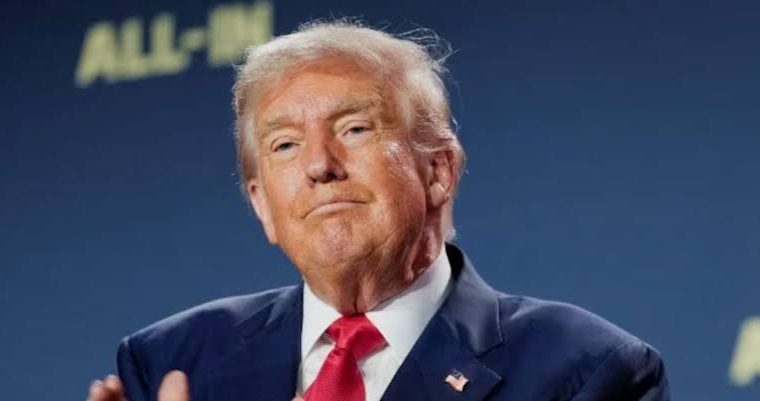

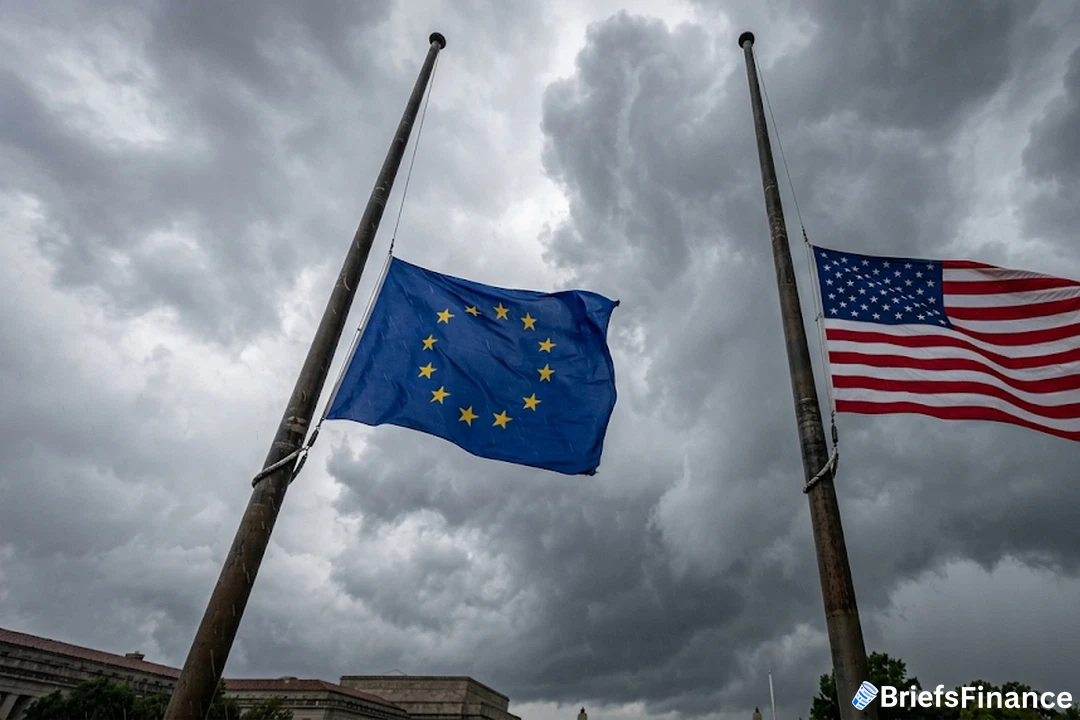
The United States will open a formal investigation into European Union trade practices after President Donald Trump accused the bloc of unfairly penalizing American technology companies. The move places the EU's digital competition regime inside the machinery of U.S. trade enforcement and creates a route toward tariffs rather than a purely regulatory appeal.
The immediate dispute is an €890 million, approximately $1 billion, EU fine against Google. European authorities concluded that Google Play and the company's search engine favored Google's own services and applications at competitors' expense. The sanction follows years of European attempts to constrain platforms that control access between businesses and consumers.
Trump named Google, Apple, Meta and Amazon among the companies affected by European penalties. He said the investigation would begin immediately, predicted a substantial tariff on the EU and asserted that the fines would be reversed. Those outcomes are political objectives, not completed actions, and the investigation's legal findings have not yet been issued.
The White House is using Section 301 of the Trade Act of 1974, which permits sanctions against practices deemed unreasonable, unjustifiable or discriminatory. The inquiry follows double-digit tariffs on imports from more than 60 countries over forced-labor enforcement and replaces temporary 10% worldwide levies after the Supreme Court invalidated the administration's broadest tariffs.
Google said it had worked to comply with the Digital Markets Act while warning that European Commission decisions could damage its services. Amazon, Apple, Meta and Microsoft had not offered immediate public responses. The European Commission, which treats Alphabet, Amazon, Apple, Meta, Microsoft and ByteDance as digital gatekeepers, argues that the rules protect consumer choice and fair competition.
The current fine is not an isolated liability. Google recently lost an appeal against a separate $4.5 billion EU antitrust penalty tied to Android and competition in mobile services. Alphabet's $403 billion in revenue last year gives the group financial scale, but repeated remedies can still alter product design, distribution terms and access to customers across the 27-country bloc.
The confrontation changes the commercial stakes for both sides. U.S. technology companies now sit at the center of a tariff decision, while European exporters could bear costs unrelated to the original digital cases. The next concrete steps are the scope and timetable of the Section 301 inquiry, the EU's legal defense of its rules and any tariff measure proposed after the investigation.