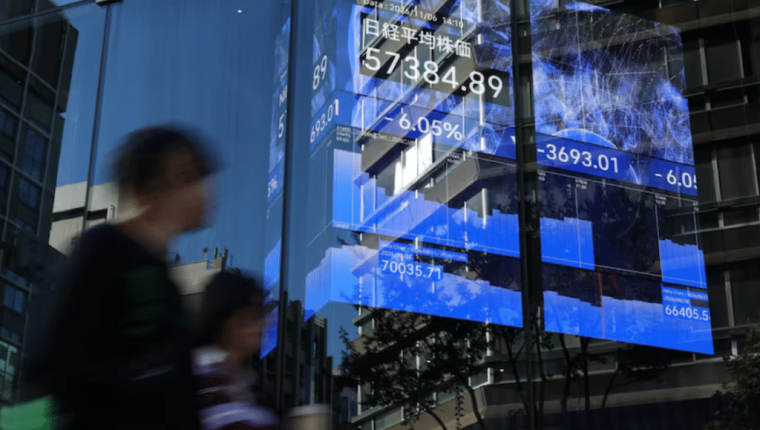

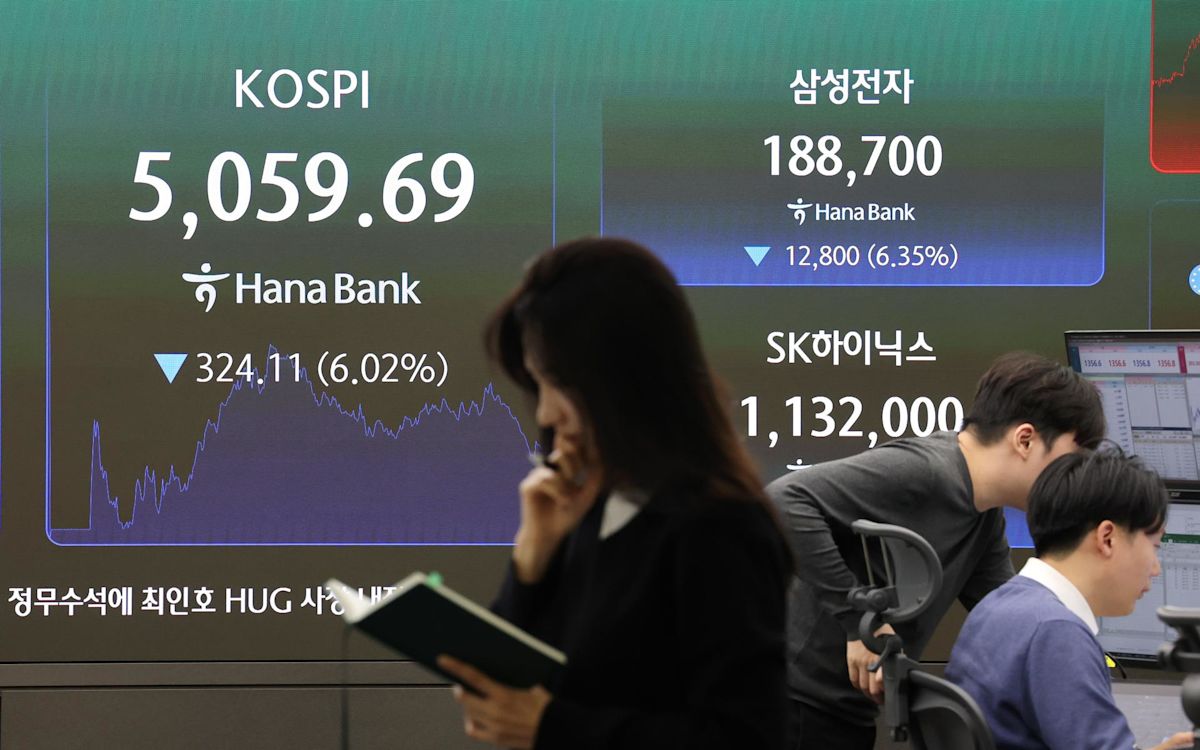
Asian equities opened the week with a measured rebound after one of the sharpest technology-led sell-offs in years. The MSCI Asia-Pacific index excluding Japan rose 0.8% on November 9 after losing 4.6% the previous week. Japan’s Nikkei added 2.5%, Taiwan gained roughly the same amount and South Korean shares advanced modestly.
Taiwan’s recovery followed its heaviest weekly decline in two decades. The earlier rout reflected doubts about whether the revenue generated by artificial-intelligence services can justify enormous spending on chips, power and data centres. Democratic victories in the United States added concerns that AI infrastructure could face stricter federal and state scrutiny.
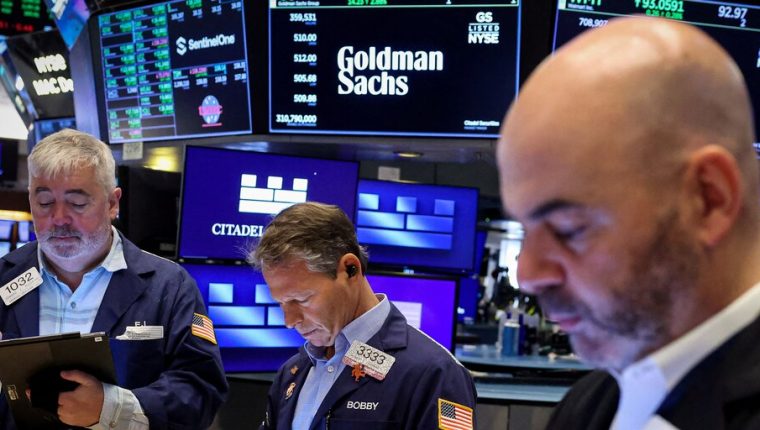
The opening gains therefore represented stabilisation rather than a clean reversal. US equity futures were only slightly higher after Wall Street’s Friday rally. Earnings this week from CoreWeave, Applied Materials and Cisco Systems will test demand, capital expenditure and margins across different parts of the AI chain.
Kyle Rodda, senior market analyst at Capital.com, warned that markets were not out of danger. He linked the downside bias to higher regulatory risk after the midterms and an earnings season in which major technology companies failed to meet expectations. His assessment is a market view, not a forecast guarantee.
Interest rates create a second pressure point. US employers added 165,000 jobs in October, more than double the consensus estimate. Futures then placed nearly an 80% probability on a Federal Reserve increase of at least 25 basis points in December. A stronger labour market supports growth, but it also extends the discount-rate pressure on expensive technology valuations.
New York Fed President John Williams said the economy remained resilient but inflation was too high and had to return to 2%. The dollar index reached 102.2 after its biggest daily gain in five months. The euro held around US$1.1148 and the yen strengthened 0.2% to 158.215 per dollar, illustrating mixed currency positioning.
Middle East risk eased at the same time. Brent fell to US$97.49 after Donald Trump said new attacks on Iran were highly unlikely while peace talks progressed. Cryptocurrency markets remained weaker: bitcoin fell more than 2% to US$73,708 and ether about 5% to US$2,223 amid expectations of tougher congressional oversight.
The next evidence will come from US inflation, the three technology earnings reports, Federal Reserve communication and Iran diplomacy. A broad rebound can continue if profitability and rates surprise positively, but the prior week’s losses exposed crowded positioning. One positive session does not resolve valuation, regulation or geopolitical risk.