
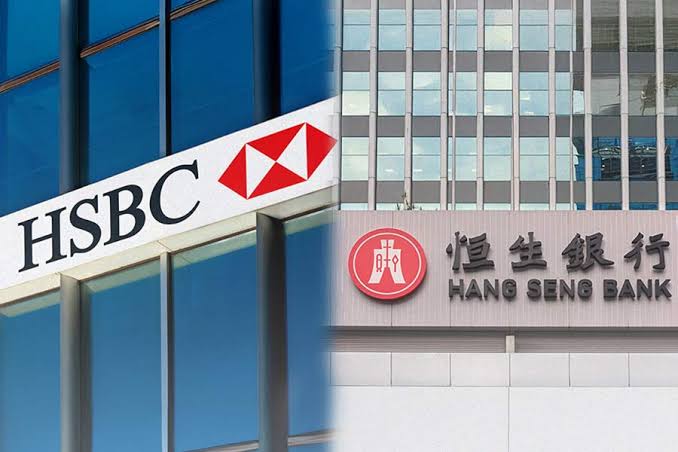
HSBC is planning to fold Hang Seng Bank’s asset-management arm into its own funds business, according to two people with direct knowledge of the proposal. The plan has not been publicly confirmed by either bank, so it remains a reported internal integration rather than an announced or completed transaction.
Under the proposal, HSBC Asset Management, which oversees about US$876 billion, would absorb Hang Seng Investment Management and its roughly US$50 billion portfolio. Adding those figures describes assets under management, not a purchase price, cash consideration or valuation for the smaller unit.
The prospective merger follows HSBC’s US$13.6 billion acquisition of the Hang Seng shares it did not already own. HSBC launched the take-private bid in October 2025 after previously holding 63% of the lender, and completed the privatization in January 2026.
If implemented, the move would be the first integration of a business line since the buyout. HSBC had promised to preserve the two brands and says Hang Seng will remain a separately licensed bank. Combining an investment unit therefore would not by itself dissolve Hang Seng’s banking licence or consumer identity.
HSBC said it wants an asset-management operation with sufficient scale, talent and ambition to compete in Hong Kong, and referred to collaboration between the teams. It did not specifically confirm the reported merger, while Hang Seng did not provide a response to the inquiries described in the report.
The integration could concentrate manufacturing, distribution, compliance and portfolio infrastructure within the parent group. It also raises questions about product overlap, personnel and governance, especially because Hang Seng manages the Tracker Fund, Hong Kong’s largest exchange-traded fund linked to the Hang Seng Index.
The strategic context includes pressure from bad loans tied to Hong Kong and mainland Chinese property exposure, which preceded the privatization. HSBC has since appointed cross-bank leaders over shared corporate functions, suggesting broader coordination while stopping short of confirming the asset-management structure.
The next evidence should be a formal announcement, regulatory filings, treatment of licences and funds, and any disclosed effect on employees or clients. Until then, the US$926 billion combined scale is an arithmetic comparison and the integration remains a sourced plan, not a closed merger.