

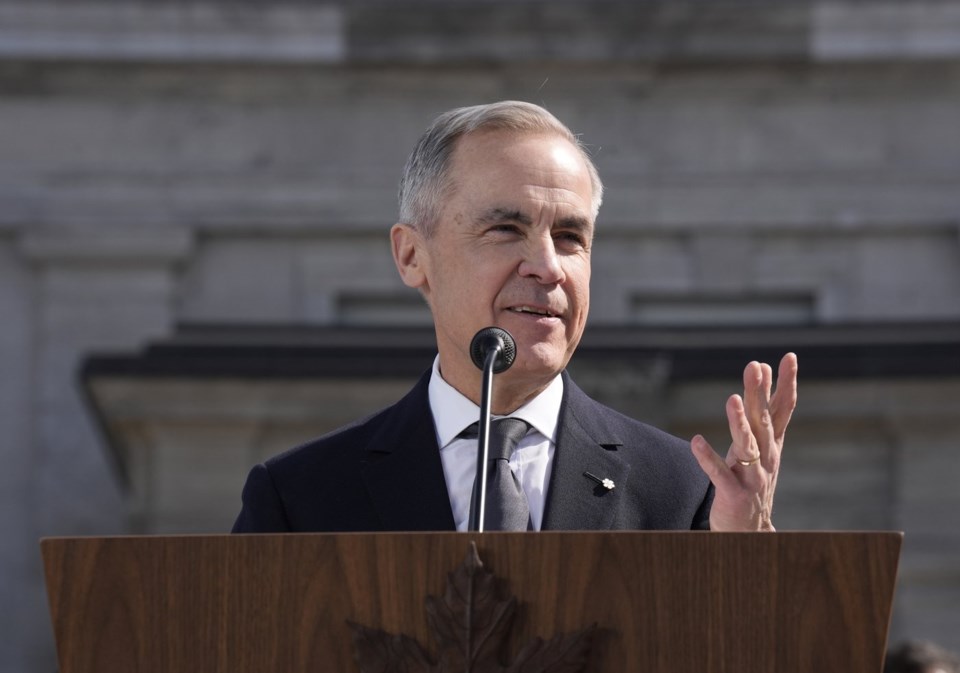
Canadian Prime Minister Mark Carney says trade negotiations with the United States have turned “nasty,” but Ottawa is keeping its delegation in talks as President Donald Trump threatens a new 50% tariff on additional Canadian goods. The measure is scheduled to begin August 19; until an implementing action defines and activates it, the figure remains a threat rather than a duty already collected at the border.
The confrontation is layered on top of existing US tariffs affecting Canadian steel, aluminum and automobiles. Those measures already reach sectors with deeply integrated North American supply chains, where components and metals can cross the border before a finished product is sold. A wider tariff would therefore affect not only Canadian exporters but also US importers, manufacturers and customers that depend on Canadian inputs.
Carney said Canadian negotiators were in Washington during the week and that he expected more conversations with Trump after speaking to him the previous week. He framed the dispute as a defense of Canadian jobs and businesses, describing the countries as being in a tariff war. Continued contact matters because the August deadline leaves a short window for an agreement, exclusions or a narrower product list.
Trump escalated the rhetoric during a speech in Las Vegas, calling Canada and its leadership “nasty.” The comments follow repeated suggestions that Canada should become a US state, which have intensified Canadian public anger and contributed to some travelers canceling US trips. The political language now surrounds a negotiation whose commercial consequences are borne by companies on both sides of the border.
Tariffs are paid by importers and can be absorbed in margins, transferred back through lower supplier prices or passed to customers. Carney said existing aluminum duties had contributed to a 58% increase in US aluminum prices, presenting the rise as evidence of costs for American companies. The precise effect depends on product coverage, available substitutes and contract terms, but the price channel makes the dispute relevant to US inflation as well as Canadian exports.
US Trade Representative Jamieson Greer has argued that Canada and China are the two countries that retaliated against Trump’s tariffs, and cited restrictions on US alcohol sales in some Canadian provinces. Canadian officials characterize those countermeasures as a response to existing US duties. That disagreement is central: Washington treats retaliation as an obstacle, while Ottawa presents it as leverage against measures already imposed.
The economic fight is also becoming an electoral issue. Canada is among the United States’ largest trading partners, and higher border costs could raise prices when US voters remain concerned about living expenses ahead of the November 3 midterm elections. For Carney, conceding without relief risks jobs and political credibility; for Trump, exemptions could dilute a strategy intended to push manufacturing toward the United States.
The decisive next event is the August 19 deadline and any legal notice identifying products, rates, exemptions and effective customs treatment. Companies need to know whether the 50% rate will supplement or replace other duties and whether negotiated carve-outs will protect autos, metals or other integrated sectors. Until those details or an agreement emerge, talks remain active, current tariffs remain in place and the threatened expansion is a material but unresolved business risk.