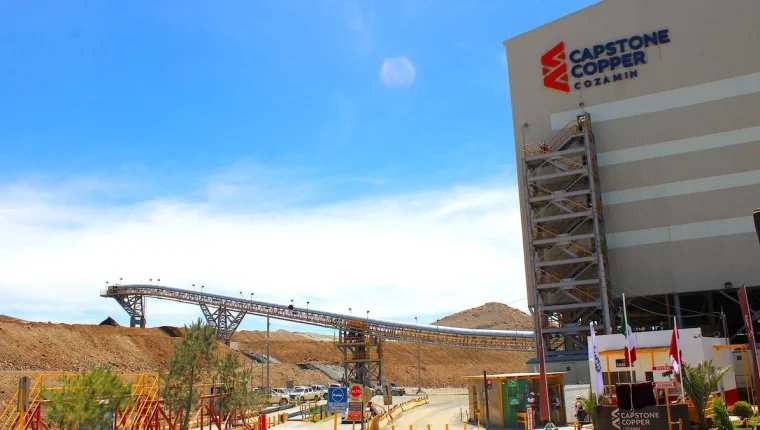


Chile is seeking about $100 billion of copper investment over the next decade while broadening the destinations for its output. Foreign Minister Francisco Pérez Mackenna framed the initiative as diversification, not a withdrawal from China: the strategy couples a larger production and processing base with a wider commercial network.
China consumes roughly 58% of the world's copper and buys more than half of Chilean shipments. That scale makes it an essential customer that cannot be replaced quickly, but it also concentrates Chilean revenue exposure in one industrial cycle and gives changes in Chinese demand disproportionate weight.
Chile produced 5.3 million tonnes in 2025, about one quarter of global output. Its position gives the country strategic weight in a market facing long lead times: major mine expansions require permitting, financing and construction before they add saleable metal, so the $100 billion program would be deployed over years rather than arrive as immediate supply.
The government expects data-centre investment to increase copper demand. Electricity networks, digital infrastructure and cooling equipment require substantial conductive metal, linking the mining program to growth in artificial-intelligence computing. Chile is positioning the investment cycle against that structural demand rather than a short-lived price movement.
Diversification also involves selling more refined copper instead of concentrating exports in less-processed material. Capturing that additional stage of the value chain requires smelting and refining capacity in Chile or aligned markets, and places the country in competition with China's large processing industry rather than only with other mine suppliers.
India is part of the search for additional demand as Chile pursues a broader economic partnership. A new buyer base could reduce exposure to a single cycle, but political interest must become bankable demand: buyers need the volumes, logistics and long-term contracts capable of absorbing both existing shipments and output from future projects.
The mining and commercial tracks therefore depend on each other. New capacity without committed customers would increase price exposure, while buyer agreements without timely mine and refining projects would leave Chile unable to supply the promised volumes at competitive cost.
The $100 billion figure is an investment objective, not committed expenditure. The concrete milestones are projects reaching approval and financing, construction schedules moving forward, processing capacity becoming available and Chile converting buyer diplomacy into long-term offtake for new production.